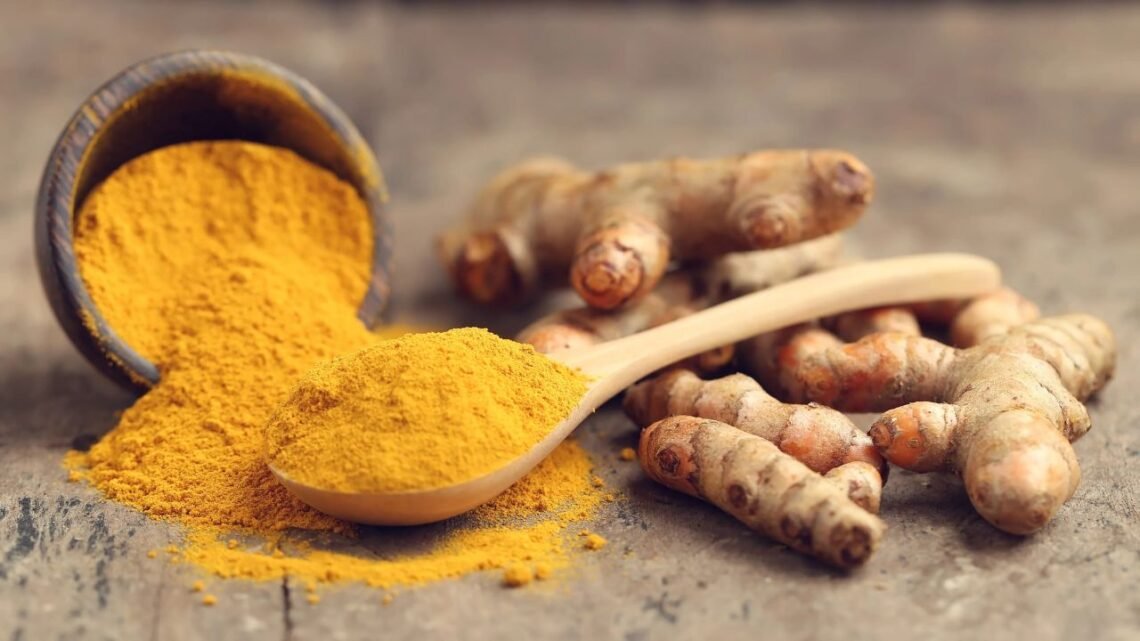
Turmeric became a daily wellness item among millions of people. It is also used in curries, soups, herbal teas, smoothies and even health shots. Supplement companies market capsules of turmeric as support of the joints, controlling inflammation, digestion, and immunity. Since it is a plant-based product and is common in conventional systems, many have assumed that it is absolutely safe. Nevertheless, concentrated turmeric supplements do not work the same way within the body as compared to little amounts of turmeric in food. Carcinoid As a high-dose, chronic dosage, or in combinations, curcumin, the active ingredient of turmeric, can affect various organ systems. These relations justify the increasing alarm surrounding the 10 serious side effects of turmeric which doctors closely observe.
What Is Turmeric and Why Can It Trigger Side Effects?
Turmeric is a root of such a plant as Curcuma longa. It is a member of the ginger family. It contains a chemical known as curcumin and is the factor that causes its biologic action. Curcumin is antioxidant, anti-inflammatory and a metabolite. It affects enzymes, blood clotting, digestive reaction and immune signal.
The dose is rather low when turmeric is utilized as a spice in the cooking process. It is processed by the body slowly. However, supplements provide extracts that are concentrated and can include hundreds of milligrams of curcumin in a single capsule. Black pepper extract is also added to some products to help them get better absorbed, and this makes the biological effect even more intense.
Curcumin reacts with internal systems at higher concentrations. This explains why it is important to know the 10 serious side effects of turmeric before starting to take the supplement.
10 Serious Side Effects of Turmeric: Major Health Risks Linked to High-Dose Turmeric
It should be noted that the majority of serious reactions are caused by long-term or high-dose consumption of the supplements as opposed to normal food consumption before going through each effect. Each of the concerns is detailed as follows.
1. Severe Allergic Reactions and Hypersensitivity

The allergic reactions to turmeric can be both through direct contact with the skin or orally. Persons who come in contact with turmeric powder in large amounts like the workers of the supplements facility or food handlers report increased cases of contact dermatitis.
The symptoms usually start with local redness or itching. In worst cases, the swelling can spread outside the initial point of contact. Others complain of difficulty breathing, hives or swelling of the face. Due to the presence of salicylates in turmeric, people who are allergic to aspirin can also be suspected of similar reactions.
Methods In some infrequent cases, the systemic allergies need urgent treatment. Any person who finds it hard to breathe or general swelling with the intake of turmeric should consult an emergency doctor. One of the more urgent issues of the 10 serious side effects of turmeric is allergic sensitivity.
2. Kidney Stones and Oxalate-Related Kidney Damage

The oxalates are naturally found in turmeric. Oxalates interact with calcium in the urine and could cause crystals. These crystals may build up and become kidney stones. Individuals who have history of calcium oxalate stones are at high risk.
The supplementation of turmeric in high doses elevates the intake of oxalate. In the long run, the deposition of excessive oxalate can destroy kidney tissue. There are some rare medical reports that have associated high intake of turmeric with oxalate nephropathy which is a disorder that compromises the ability of the kidney to filter.
It is necessary to grasp the process of oxalate build-up before examining particular risks to kidneys.
| Kidney Risk Factor | Mechanism | Possible Health Impact |
| High oxalate intake | Crystal formation in urine | Kidney stone formation |
| Long-term supplementation | Oxalate buildup in kidneys | Reduced filtration |
| Existing kidney disease | Impaired waste removal | Increased complication risk |
Kidney complications remain one of the most serious concerns included in the 10 serious side effects of turmeric.
3. Gallbladder Contractions and Gallstone Aggravation
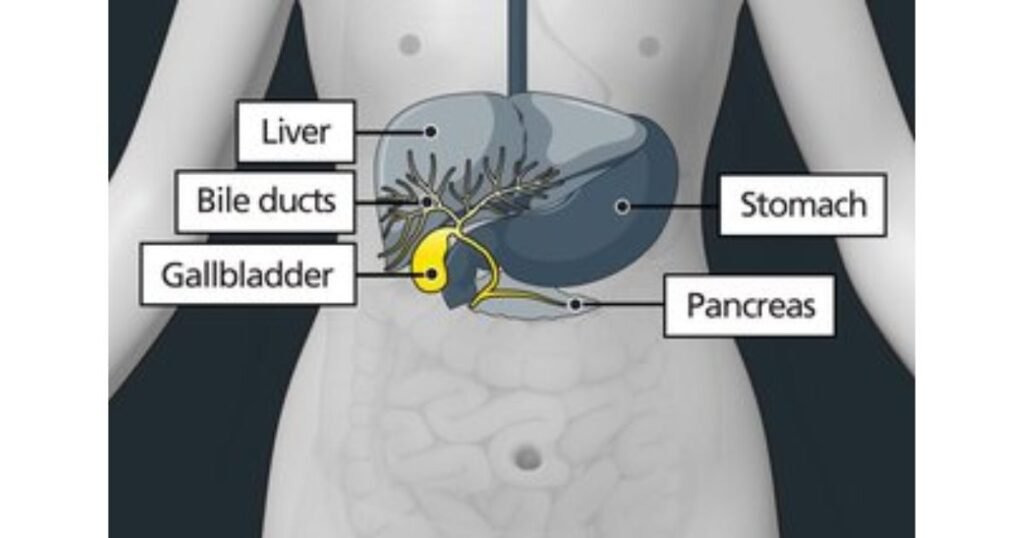
Curcumin enhances the production of bile and the contraction of the gallbladder. This can help in healthy digestion of persons who do not have gallstones. But to the already existing gallstones, it can increase the pressure within the body by contraction.
Increase in pressure may increase pain or cause bile duct obstruction. Gallbladder pain is usually in sharp pain at the upper abdomen, which extends to the back or shoulder. The pain may be accompanied by nausea.
People who were diagnosed with gallstones or inflammation of the gallbladder are not allowed to take turmeric supplements without consulting their doctor. The risk demonstrates the necessity to consider the pre-existing conditions prior to supplementation.
4. Digestive Irritation and Gastrointestinal Disturbances

Only the most common problems with turmeric supplementation are reported as digestive complaints. Although food-based turmeric is generally well-accepted, high concentrates of the extract can cause irritation of the stomach.
The usual signs are nausea, bloating, diarrhea, abdominal cram and acid reflux. Irritation is too much to persist in some people and it causes them to stop using them. Increased doses seem to risk discomfort.
The sensitivity of the digestive system depends on the underlying health of the gut of the person. The symptoms are stronger in those with gastritis, acid reflux, or irritable bowel syndrome. Gastrointestinal irritation is also a significant part of the 10 serious side effects of turmeric.
5. Liver Injury and Elevated Liver Enzymes
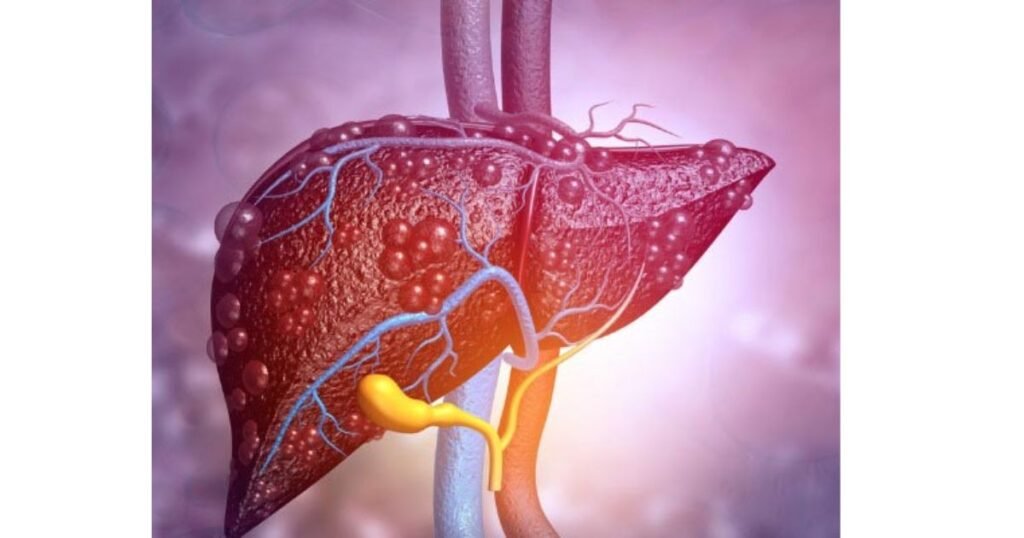
Turmeric can be marketed as helpful in liver health. Nonetheless, there have been instances of liver enzyme escalation in high dosage supplement users which are rare.
Physicians evaluate the state of liver through blood tests like AST and ALT. High amounts can be a sign of inflammation or hepatocellular injury. In reported cases discontinuation of supplementation resulted in the restoration of normal levels of enzymes.
Ponder on the metabolism of concentrated compounds by the liver before examining warning signs.
| Liver Marker | What Elevation Suggests? |
| AST | Liver inflammation |
| ALT | Liver stress |
| Bilirubin | Possible obstruction or injury |
| Fatigue and jaundice | Reduced liver efficiency |
Liver injury remains a rare but serious addition to the 10 serious side effects of turmeric.
6. Reduced Iron Absorption and Anemia Risk
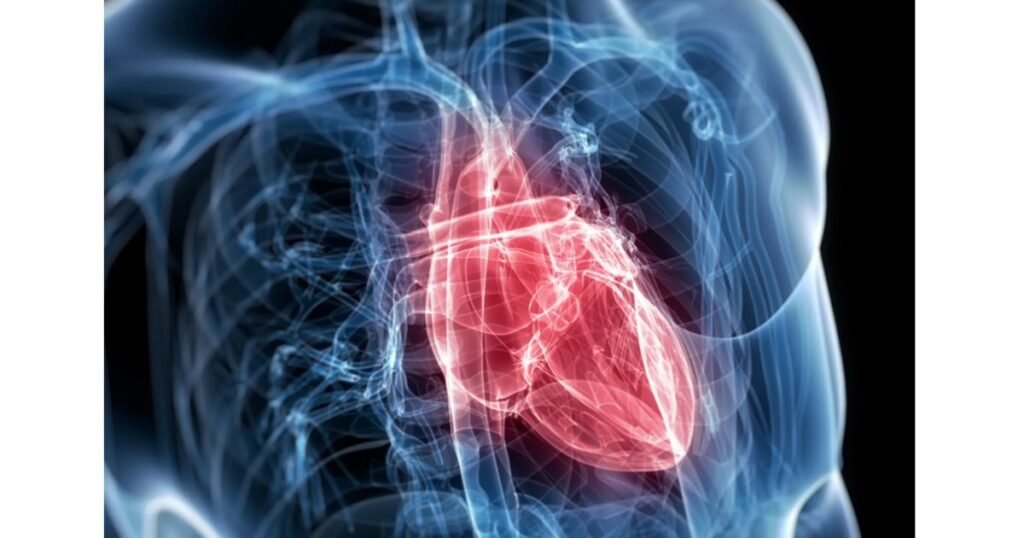
Curcumin interacts with iron molecules in the gastrointestinal system, decreasing iron absorption. Although this effect is beneficial to people with iron overload conditions, it may aggravate iron deficiency among others.
Iron is an important factor in the production of hemoglobin. Oxygen is transported in the body by hemoglobin. Ease of being fatigued or weak, and lack of physical stamina, may occur due to the reduced availability of iron. Prior to taking turmeric supplements, people with anemia or low levels of ferritin need to keep a close check on their iron status.
7. Increased Bleeding Risk Due to Antiplatelet Effects
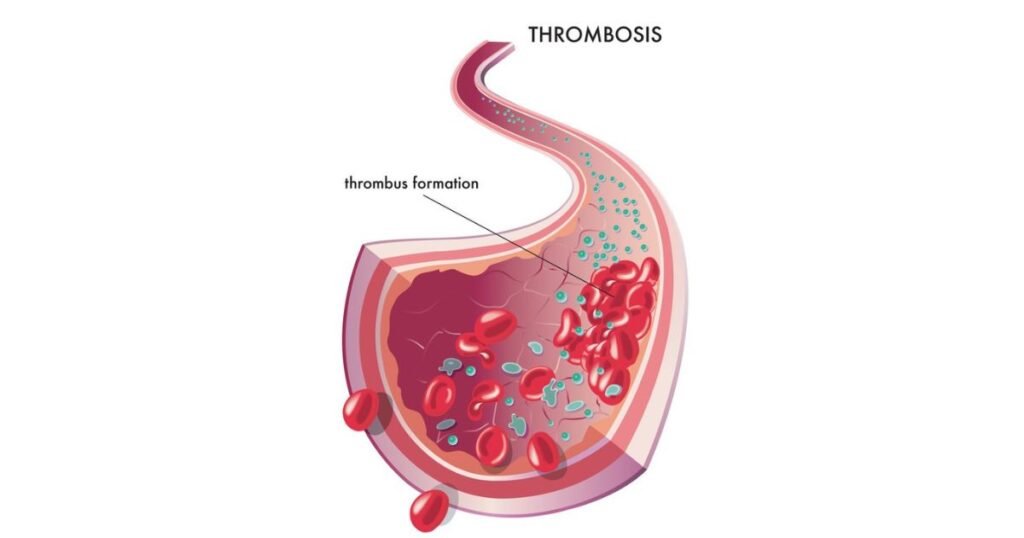
Curcumin possesses weak blood-thinning. It prevents platelet aggregation which is a prerequisite in the formation of a clot. In healthy persons moderate consumption might not be a big problem. Nonetheless, individuals who are under anticoagulant therapies like warfarin or aspirin are at risk of more bleeding. Bleeding time during operations may be delayed by taking turmeric as a preoperative supplement.
To minimize the complications, doctors usually recommend stopping the intake of turmeric supplements a month or two before the surgery. Bleeding tendency has also been a major aspect among the 10 serious side effects of turmeric.
8. Blood Sugar Instability and Hypoglycemia
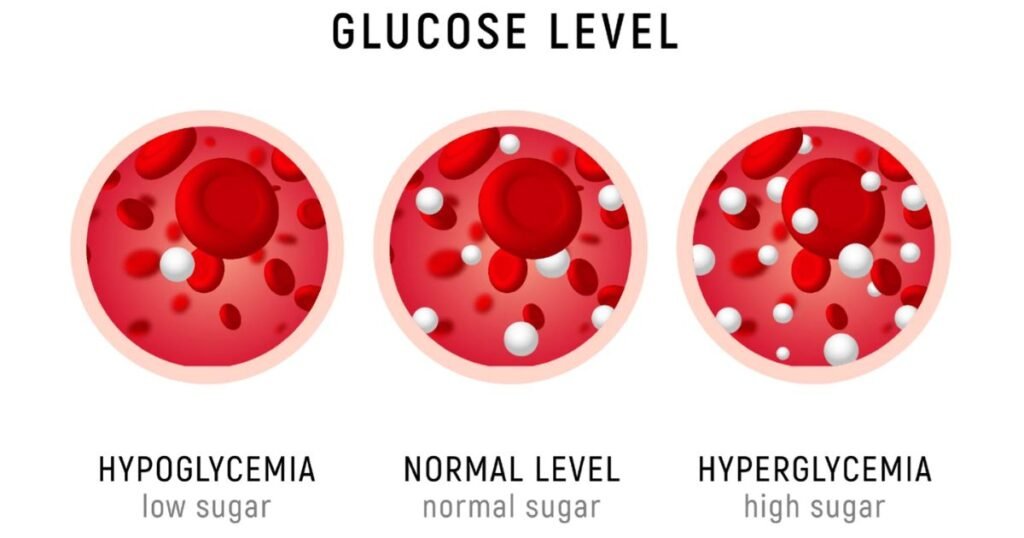
Curcumin reduces the level of glucose in the blood by affecting the sensitivity of insulin and the metabolic processes. This effect can be beneficial to people with type 2 diabetes. Nonetheless, turmeric supplement, when used with diabetes drugs, may result in a decrease in blood sugar level to an unhealthy level. The consequences of hypoglycemia can be dizziness, sweating, confusion, or fainting.
Balance is needed in the management of blood sugar. Insulin and oral medications are not to be used without consulting a healthcare provider in case patients add turmeric supplements.
9. Pregnancy and Breastfeeding Safety Concerns

Food consumption of turmeric in pregnancy has been generally considered as safe. There are however, insufficient safety data of high dose curcumin supplements. Though there are some initial studies on the promising role of this in pregnancy-related conditions, evidence is still scarce. The medical experts tend to advise against taking concentrated supplements in the course of pregnancy and breastfeeding.
Mothers and fetuses need to be safeguarded. Thus, pregnancy is not something that should be overridden in the whole discourse of the 10 serious side effects of turmeric.
10. Oxidative Stress and Cancer Considerations
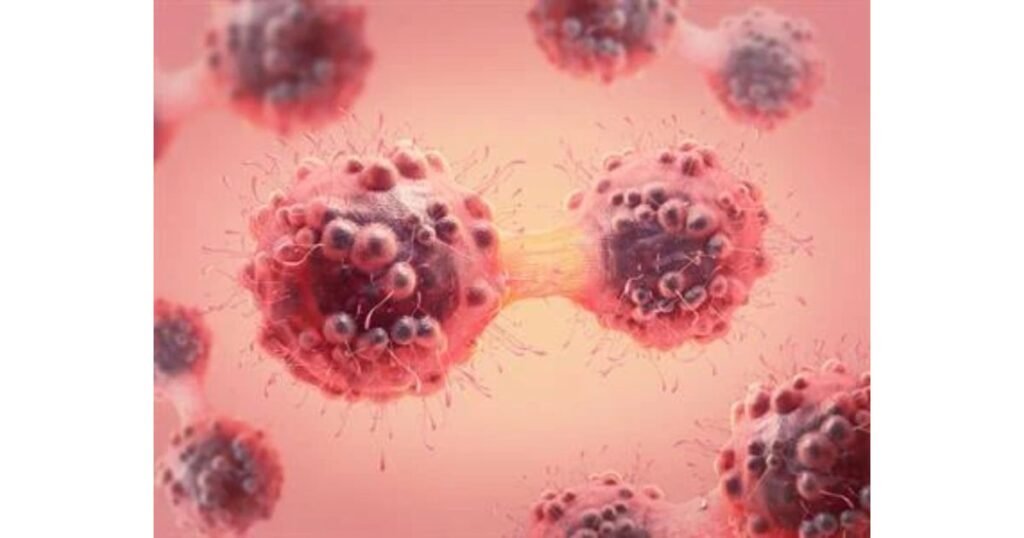
Curcumin is generally known to be an antioxidant. Nonetheless, some researchers indicate that it can cause some mild oxidative stress first before performing protective functions. This two-fold action can influence persons having the malignant tumors in different ways. Tumeric supplements should not be used when the patient is on chemotherapy or radiation therapy because it can serve as an additional drug. The comprehension of this intricacy guarantees the safe incorporation with the cancer treatment strategies.
Who Should Avoid High-Dose Turmeric Supplements?
Some population groups are at a greater risk of complications. They are people who have kidney stones, gallbladder disease, anemia, bleeding problems, diabetes, liver and hormone-sensitive health issues. Concentrated supplements should not be used by expectant mothers and lactating women unless there is medical advice. The safest method is to seek the advice of a medical practitioner before commencing with supplementation.
Conclusion: A Balanced View on Turmeric Safety
Turmeric has possible health advantages with its responsible usage. When taken in moderate amounts, the culinary use is usually safe by healthy adults. Nevertheless, when supplemented with concentrated supplements, the risk of complications grows up.
The 10 serious side effects of turmeric are allergic reactions, kidney damage, gallbladder complications, digestive irritation, liver damage, iron absorption interference, bleeding, blood sugar imbalance, pregnancy, oxidative stress effects, hormonal effects, and drug interactions.
The decisions that have been informed safeguard the health in the long term. Personal medical history assessment and use of a professional will make sure that there is no harm in including turmeric in your daily life.
Also Read About: 10 Home Remedies for Ear Infection to Reduce Pain Naturally