Hair thinning and hair fall affect people at different ages of existence and even the reasons are not always similar. Others tend to lose their volume progressively and others tend to lose it suddenly after stress, sickness or change of lifestyle. It is this growing concern that has led a number of people to look towards natural methods which are safer and in the long run more sustainable. Among those tools, herbs for hair growth, have ended up with frequent attention by virtue of the fact that they are targeting the health of the scalp, the nourishment and the long-term support of the follicles and not the immediate solutions.
Herbal solutions are not miraculous medications, but with proper use and regularity, they can be used to help with promoting a healthier growth cycle of hair and any improvement of hair quality. This guide will discuss the mechanism of action of herbal remedies, the most popular herbs, the way they help to maintain the health of the hair, and who can benefit with them realistically.
What Are Herbs for Hair Growth?
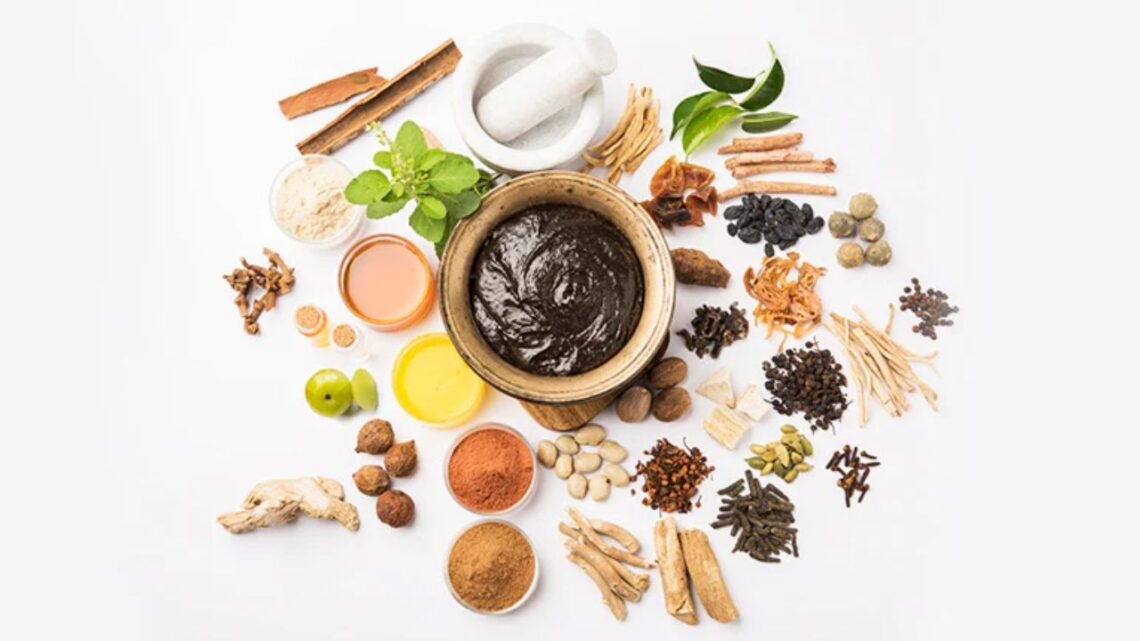
Herbs for hair growth are vegetable compounds that help in boosting scalp, hair strength, and follicle activity. These herbs are used as oils, gels, extracts, masks or topical blends or as supplements under medical supervision.
Herbs do not directly cause hair to grow as medical treatment does. They mainly serve the purpose of bettering the environment that hair is growing to, boosting blood flow, lowering inflammation, aiding the production of keratin, and shielding the follicles against harm. It is this kind of indirect support that renders the use of herbs to be sensible in the long term instead of in short term hair care regimens. Herbal options are popular among people since they are typical of the preventive care, delicate scalp requirements, and maintenance-oriented hair objectives.
How Hair Growth Works and Why Herbs Matter?
Hair growth is a biological process that comprises of a growth period, rest period and a shedding period. Any time this cycle is disrupted, then what will happen is that the growth rate will not be able to keep up with the number of hair falling off and hence will get thin at some point in time. Factors such as hormonal derangements, nutritional deficiencies, stress, inflammation/scalp and conditions tend to disrupt this process.
Herbs for hair growth prevent hair growth problems that are underlying the problem and not the hair strands itself. Numerous herbs enhance the flow of blood within the head enabling the follicles to obtain oxygen and nutrients more effectively. Others assist in the elimination of oxidative stress and inflammation, which may compromise the follicles and reduce the growth duration.
Due to the slow hair cycles, herbal assistance needs time and perseverance to produce any visible results.
Why Do People Prefer Herbal Hair Care Over Harsh Treatments?

Most traditional hair medications are based on the use of chemical compounds with the result of being drying, irritating, or addictive over time. Although these treatments can achieve quicker visible results, they can usually be taken continuously to sustain results.
Herbal hair care, in its turn, is oriented at gradual improvement. It is more popular among individuals that seek softer remedies, particularly those who have tender scalp or early hair loss. Herbs also tend to be used in conjunction with lifestyle modification including better diet, stress management and better hair care habits. This trend can be seen as the movement towards long-term hair health instead of short-term cosmetic efficacy.
Most Commonly Used Herbs for Hair Growth
A number of herbs continue to be put in hair care products because of their supportive nature. The herbs play different roles and familiarity with them would help expect realistically.
Key herbal roles include:
- Improving scalp circulation
- Strengthening hair strands
- Supporting follicle health
- Reducing inflammation and irritation
To help clarify these differences, the table below summarizes the most commonly used herbs and their primary functions.
Popular Herbs and Their Benefits
| Herb | Primary Function | Best Method of Use |
| Rosemary | Improves scalp circulation | Diluted scalp oil |
| Lavender | Calms scalp and supports thickness | Aromatic oil blends |
| Horsetail | Strengthens hair structure | Topical or supplement |
| Aloe Vera | Soothes scalp inflammation | Gel or lotion |
| Ginseng | Supports hair growth cycle | Extract or topical blend |
| Peppermint | Stimulates follicles | Diluted essential oil |
| Hibiscus | Nourishes follicles | Herbal extract |
| Sage | Supports follicle activity | Experimental topical use |
Rosemary and Its Role in Hair Growth Support
Rosemary is also among the most talked about herbs for hair growth because of its mechanism of assisting the circulation of blood on the head. Better circulation enables the follicles to get the necessary nutrients necessary in healthy and strong hair growth.
With time, continuous application of diluted rosemary oil through a gentle massage on the scalp has been associated with the increase in hair density. It especially sells well with people who lose their hair because of poor circulation rather than hereditary baldness. However, rosemary oil must be refrained in the pure form because it may lead to irritation. This herb does not work as a medication that is used infrequently but as a regular medication.
Aloe Vera for Scalp Health and Reduced Hair Fall
Aloe vera is also conducive toward the fact that it maintains the health of the scalp, which is imperative in the long-term stages of hair growth. Many of the diseases where hair is lost which worsen the condition over the years are also caused by inflammation, dryness or even scalp disorders.
Topical aloe vera is applicable in irritation treatment and to restore the moisture balance and reduce forces leading to excessive shedding. Even though aloe vera will not directly stimulate the growth of new hair, its existence leaves the scalp in a healthier environment so the follicles can be more effective. This is the reason why aloe vera is handy particularly to those who are losing their hair because of dandruff, itchiness or scalp sensitivity.
Strengthening Herbs That Reduce Breakage
Follicle problems are not the cause of all thinning of hair. Hair in most instances is seen to be thin due to breakage and a weak strain. Some of the herbs are intended to enhance the strength of hair and not to amplify growth.
Horsetail has been known to contain silica which helps the hair to be more elastic and lowers breakage. Ginseng aids in balancing the level of proteins that regulate hair cycle to ensure that it does not shed off prematurely. Lavender helps in relaxing the scalp, which indirectly helps in providing healthy growing conditions. Such herbs are supposed to be used regularly and added to tender hair care measures.
Natural Remedies Beyond Herbs That Support Hair Growth
Although herbs are the main focus, there are also a number of non-herbal natural remedies, which are also helpful in keeping hair healthy and included in herbal routine. Prior to delving into the table below it is necessary to know that these remedies operate by various mechanisms including balancing hormones, supporting nutrients, or countering antioxidants.
Herbs vs Other Natural Remedies
| Remedy Type | Main Benefit | Typical Use |
| Herbs | Scalp and follicle support | Long-term routine |
| Onion Juice | Supports keratin production | Short-term treatment |
| Pumpkin Seed Oil | Helps pattern thinning | Topical application |
| Saw Palmetto | Supports hormonal balance | Oral or topical |
| Green Tea | Antioxidant protection | Oral or topical |
Who Can Benefit Most From Herbs for Hair Growth?
Herbs for hair growth should be used by those with mild to moderate thinning, hair fall due to stress or scalp related hair problems. They are also applicable to individuals who want to keep the hair healthy as opposed to restoring lost advanced hair.
Individuals who suffer genetic baldness or scarring alopecia cannot be left to the effects of the herbs and might be forced to seek medical attention. Herbal care is most effective when it is performed as a part of a more complex strategy of using proper nutrition, gentle hair treatment, and stress management. It is imperative to know what causes hair loss before deciding on the line of treatment.
Common Causes of Hair Loss That Herbs Can Support

External and internal factors may lead to hair loss. There are certain causes that are better addressed using herbs. Some of the common causes involve:
- Nutritional deficiencies
- Hormonal fluctuations
- Stress and illness
- Scalp inflammation
- Lifestyle-related damage
Herbs help address supportive factors such as inflammation and circulation, but they cannot correct severe hormonal or autoimmune conditions on their own.
Daily Habits That Improve the Effectiveness of Herbal Care
The use of herbal treatment is more effective when it is supplemented with daily habits. The hair care habits may negate even the most beneficial herbal products.
Helpful practices include:
- Using gentle shampoos
- Avoiding excessive heat styling
- Keeping hairstyles loose
- Maintaining a balanced diet
- Managing stress levels
Consistency in daily care significantly influences long-term results.
Safe Use and Practical Expectations
Not everything is made equal and the quality of herbal products varies. Topical use is certainly safer than the use of oral supplements that are strictly taken under the supervision of a specialist. Before any new herbal product is placed on the scalp, patch testing should first be established. Results can be expected to be very slow, normally over a few months. The case of the products that promise to stimulate instant or rapid hair growth needs a close consideration. The realistic expectations protect the scalp and the long-term hair results.
Final Thoughts on Herbs for Hair Growth
Herbs for hair growth are a long-term and supportive method of hair health enhancement, and not a short-term solution. They perform optimally by fortifying available hair, enhancing scalp disorders, and maintaining natural development cycles in the long run.
Herbs for hair growth can be included in the normal hair care routine when used together with the right hair care habits and a healthy lifestyle. The most crucial aspects of attaining meaningful results include patience, consistency and informed use.
Also Read About: What Herbs Can Be Planted Together: Perfect Pairings