Winter can make skin feel like paper. Tightness shows up after washing, hands look rough no matter how often lotion is used, and cheeks can turn reactive for no obvious reason. Cold wind outside and dry heated air inside create a double hit. Add frequent showers, sanitizer, and fabric friction, and the skin barrier starts losing the fight.
While searching for “best oils” and “herbs for irritation,” the internet can still toss in chaos, sometimes even hot fruits 40 slot appearing between skincare tips like a loud billboard in a quiet street. That kind of noise is a good reminder: dry winter skin rarely needs a complicated routine. Consistency plus gentle choices beats endless product hopping.
What Actually Causes Winter Dryness
Winter dryness is mostly a barrier problem. Skin holds water inside when lipids and proteins in the outer layer stay intact. Cold air and low humidity pull moisture out. Indoor heating lowers humidity even further. Hot showers feel comforting, but heat and harsh cleansers can strip oils that protect the barrier. Once the barrier gets weaker, water escapes faster and even mild products can sting.
The goal is not to drown skin in heavy layers. The goal is to reduce daily damage and support the barrier so it can recover.
Oils That Help Without Turning Everything Greasy
Oils can be useful, but timing matters. Oil works best when it seals in moisture rather than replacing it. Applying oil on dry skin can feel slippery yet still leave tightness underneath. Applying oil after moisturizer, or onto slightly damp skin, usually feels more comfortable because water is already present.
Lightweight options often suit more people. Squalane feels modern and non heavy. Jojoba is close to natural skin oils and tends to layer well. Argan is richer and can be great for rough patches. Heavier oils can be saved for elbows, shins, and hands instead of the full face.
Herbs And Plant Based Helpers That Stay Practical
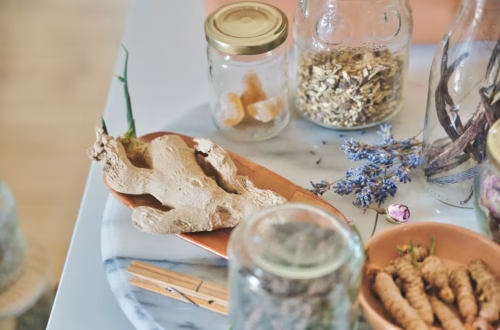
Herbs are not miracle cures, but some plant based ingredients are genuinely soothing when used in simple forms. Colloidal oatmeal is a classic for itch and irritation and is often found in sensitive skin lotions and bath products. Calendula is common in balms for chapped areas. Chamomile appears in calming formulas, but sensitive skin can react to botanicals, so patch testing matters.
Herbs also show up as habits, not only ingredients. Herbal teas and warm compresses can be a calming ritual, but the skin should never be exposed to anything too hot. Warm is fine. Hot tends to make dryness worse.
Small winter habit shifts that calm dryness fast
- choose lukewarm showers instead of hot ones
- keep shower time short and avoid long soaking
- pat skin dry, do not rub with a towel
- moisturize within a few minutes after washing
- wear gloves outdoors to block wind and cold
The Order That Makes Products Work Better
A winter routine usually improves when the order becomes consistent. Hydrate first, seal second, protect third.
Hydrate means applying a simple water based moisturizer that contains humectants like glycerin. Seal means adding a richer cream or a few drops of oil to slow water loss. Protect means reducing friction and exposure, especially for hands and face.
Exfoliation is where many routines collapse. Scrubs, strong acids, and frequent peeling can feel satisfying, but winter skin often cannot handle it. If a basic moisturizer stings, the skin barrier is already stressed. In that case, pulling back on exfoliation can help more than adding new products.
Hands And Lips Need A Different Strategy
Hands and lips suffer the most because they face constant washing and exposure. A small hand cream near every sink helps, but even more helpful is sealing hands at night with a thicker layer, then letting it sit. Lips do better with balms that stay simple and protective, especially when fragrance or flavor triggers irritation.
If cracks appear around knuckles or fingertips, it usually means the barrier is too compromised for light lotion alone. A thicker balm at night often feels more protective than repeatedly applying thin lotion during the day.
Indoor Air And Fabric Choices That Matter
Winter dryness is not only about skincare products. Indoor air can get extremely dry. A humidifier can help in some homes, but even without one, a few simple choices can reduce irritation: keeping the bedroom slightly cooler, avoiding direct heat blowing at the face, and drinking enough water.
Fabric friction can also be a hidden trigger. Wool and rough synthetic fibers can irritate sensitive skin. Softer layers and a scarf barrier can reduce face irritation on windy days. Laundry products matter too. Heavy fragrance in detergent or fabric boosters can make winter skin feel itchy even when the rest of the routine is fine.
Oils and herbal style helpers that often suit winter skin
- squalane for light barrier support
- jojoba oil for comfortable everyday sealing
- argan oil for rough patches and dry zones
- colloidal oatmeal products for itch and irritation
- calendula balm for hands, elbows, and cracked spots
When Dryness Is More Than Dryness
Sometimes winter dryness turns into something stronger: eczema flare ups, persistent redness, painful cracking, or rough patches that keep spreading. If irritation lasts, worsens, or becomes painful, a dermatologist visit is the most sensible move. A routine should not feel like a daily battle.
Winter skin improves when the approach stays calm: less heat, less friction, gentler cleansing, and consistent moisturizing in the right order. The best routine is not the fanciest. The best routine is the one that can be repeated on tired days and still works.