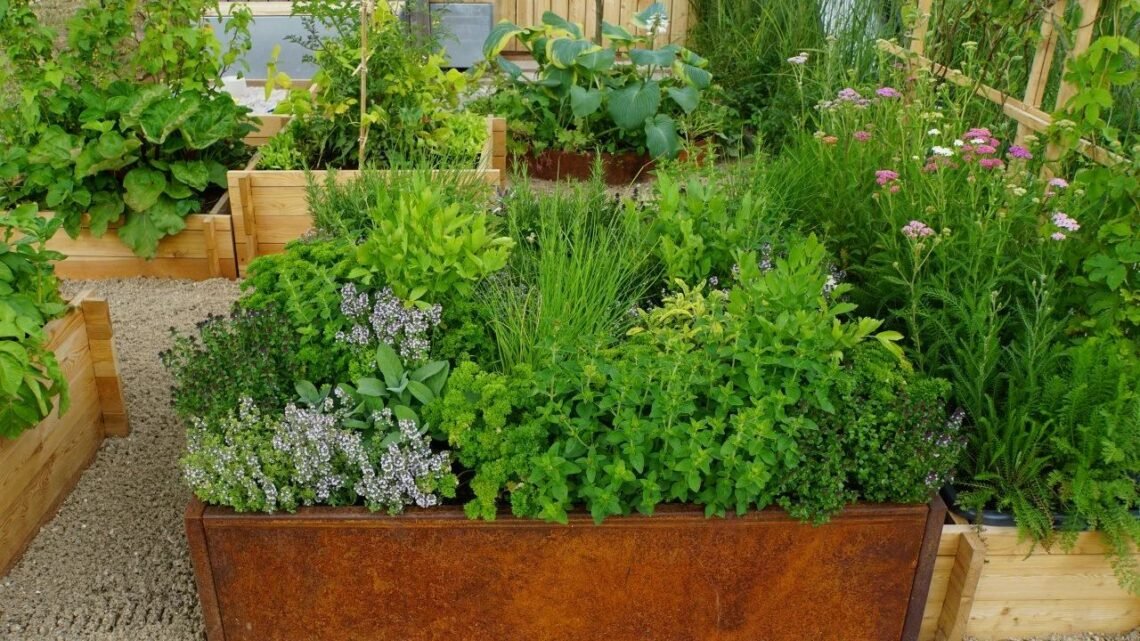
A perennial herbs garden adds order, permanence and permanence to any outdoor landscaping. Annual herbs such as seasonal herbs need to be replenished each year whereas the perennial herb regenerate using the same root system producing leaves, stems, or flowers in several seasons. This reduces cost in the long life cycle since less maintenance is required.
The reason as to why gardeners like a herb is that once it is established, it needs minimum watering, fertilizing, and replacements. These plants slowly develop a strong root system, acclimate themselves with the soil and yield stable harvests. Regardless of whether you grow herbs to cook, brew tea, provide perfume, or attract polliners, the difference between the right and wrong type of herb will make or break your gardening experience.
This book describes what it is, the difference between it and annual herbs, how to choose the right plants to grow under your climate and the twelve varieties that are most acceptable to grow in the long run.
What Is a Perennial Herb?
A perennial herb is a plant which survives longer than two growing seasons and each year regenerates around the same root system. These plants go into dormancy in colder months and then they come back to life as conditions favour them. Even when the foliage dies out of the soil, their root systems are alive at the ground.
A herb concentrates on long-term growth and slow extension as opposed to annual herbs which follow their life cycle in a year. As the years pass by it becomes more robust in stems, roots, and fruitful in foliage. Most popular culinary herbs belong to this group, in particular, woody or semi-woody.
The table below helps in easier comprehension of the basic differences between the life cycle of herbs categories.
| Feature | Perennial Herb | Annual Herb |
| Life Span | Two years or more | One growing season |
| Root Survival | Roots remain alive | Roots die after seed production |
| Replanting | Not required yearly | Required each season |
| Growth Pattern | Steady and long-term | Rapid and short-term |
| Maintenance | Low once established | Moderate to high |
This comparison shows why many gardeners prefer planting perennial herbs for consistent harvests and reduced seasonal work.
Why Choose a Perennial Herb Garden?
The proliferation of a perennial herb garden is economically advantaged and ecologically sustainable. These plants will reduce the yearly spending on seed and limit soil erosion. Once formed they require less watering and fertilizing as the deeper roots are able to reach the nutrients without much difficulty.
There is also a mature herb garden that assists in biodiversity. The flowers of most perennial herbs are attractive to bees and other helpful insects. Their long-term existence improves the soil ecosystem and contributes to the strengthening of the gardens.
The chief advantages of cultivating herbs are as follows:
- The capability to grow over a long duration without necessarily having to replenish the crop annually.
- Soil improves as a result of better root system root systems.
- Less work in the garden in the long run.
- Enhanced appeal of pollinators.
- Minimize maintenance costs in the long-term.
A well planned perennial garden of herbs might also prove better fruitful every year.
Climate and Hardiness Considerations
The survival of a perennial herb in winter is determined by climate. Hardiness zones can help a gardener to select the appropriate plants in the region. Some herbs are frost and snow resistant, but others would require protection or taking in during winter.
Cold-hardy herbs may be planted in the open garden with no additional shelter in suitable locations. In freezing seasons tender varieties may need to be grown in containers and shipped indoors. The plant has to be adapted to the climate as a guarantee of long-term success.
We shall analyze the drainage of soil first and then refer to the following classification table. Poor drainage can be detrimental to roots in otherwise favorable climates in winter.
| Category | Cold-Hardy | Tender | |
| Winter Tolerance | Withstands frost | Sensitive to frost | |
| Outdoor Survival | Yes in suitable zones | Limited in cold zones | |
| Indoor Care Needed | Rarely | Often required | |
| Example Usage | Permanent garden beds | Container gardening |
Proper climate selection prevents plant loss and strengthens the longevity of each herb.
12 Best Perennial Herb Varieties for Long-Term Gardening
The other twelve types are some of the most searched and extensively grown perennial herbs. They both have culinary, aromatic, or ornamental value. These are common herbs useful to the home gardeners.
1. Bay Laurel

Bay laurel is a shrub or miniature tree, which is appreciated because of the aromatic leaves that are used in soups and slow cooked foods. It thrives well in full sun and well drained soil. In hot climates it remains outside all year round whilst in cooler climates it works very well in containers that can be transported inside the home during winter. Through frequent pruning, it becomes a productive long lasting herb.
2. Chives

Chives are tough plants and they come back in spring and they withstand the cold conditions without any problem. Their light onion taste supplements salads, eggs, and soups. They thrive in beds or pots and they have the advantage of subdivision of clumps after every few years. This herb is healthy and promotes fresh growth through regular harvesting.
3. Lavender

Lavender has fragrant purple flowers and is used in the culinary tea and dessert. It also needs full sun and well-drained soil that is sandy. When developed, it requires very little watering and suits dry climates. It is also a perennial herb that keeps the garden borders polluted with beauty.
4. Marjoram

Marjoram has a light citrus taste that is suitable in meat dishes. It likes warm temperatures and direct sunshine and good drainage. In lower temperatures, it is preferable in containers as a way of winter protection. This perennial herb is kept in shape by frequent clipping and made fruitful.
5. Mint Varieties

Mint is highly prolific, and spreads quickly and thus should be planted in containers, or in bedded areas. Peppermint and spearmint are the most popular, and apple and chocolate mint are the unique flavors. It prefers medium humidity and half- or full-light. This herb is kept in check and tasting by harvesting often.
6. Oregano

Oregano is a very rugged herb, it can withstand cold winters, and can be evergreen in the warmer region. It cultivates when there is full sunshine as well as in wet soil. The process of fruiting and then pruning provokes new leaves and stronger flavor. The herb is mostly served in sauses and roasts.
7. Roman Chamomile

Roman chamomile is low growing and has small white flowers that are taken as herbal tea. It is slow spreading and the benefit is of frequent picking of flowers. Good growth is accomplished in soils that are well drained yet of moderate sunlight. It is also an attractive pollinator herb that is perennial.
8. Sage

The leaves of Sage are silver in color and the growth is erect in nature. It is served with roasted meat and vegetables. Optimal drainage and complete sun deter disease and improve flavor. Light pruning helps this perennial herb to retain shape and be prolific.
9. Tarragon

Tarragon is a light taste of licorice which is appropriate with dressings and sauces. Grows generally in sunny locations with rich soil. Regular pruning stimulates leafy growth and development of bushes. It is an immortal herb that can withstand the colder weather as compared to some delicate herbs.
10. Thyme

Thyme is low growing and it thrives well in well drained sandy soil. It is resistant to drought and does not require a lot of care once it has been planted. Lemon thyme is placed as a source of citrus and creeping thyme is placed as ground cover. It is a perennial plant cultivated in the direct sun.
11. Winter Savory

Winter savory is a herbaceous plant with peppery flavor which is woody and is a stem plant. Moreover, It is resistant to frost and it can be used in the colder regions. Also, Shaded shanty soil does not support healthy growth. When harvesting is used before flowering, the perennial herb has optimum flavor.
12. Lemon Balm

Lemon balm is a fresh citrus smelling herb that is commonly used in tea. Also, It grows well in partial or full sunlight and is capable of adapting to the different soils. Trimming every now and then helps to prevent excessive spreading. It is a perennial and it is appealing to the pollinators, as well as is very fruitful during several seasons.
Perennial Herb Soil Preparation and Maintenance Guidelines
Preparation of the soil is done properly which guarantees success over a period of time. The majority of herbs thrive in well-drained and medium fertility soil. The surplus fertilizer tends to lower the concentration of the flavor. Prior to an examination of soil suggestions, it is important to note that elevated beds enhance drainage during heavy soil situations.
| Soil Type | Suitability |
| Sandy | Excellent drainage |
| Loamy | Balanced and ideal |
| Clay | Needs compost and amendment |
Maintenance practices include moderate watering, annual pruning, and occasional division of mature plants. These actions improve longevity and maintain productivity.
Conclusion
Perennial herb garden is sustainable, flavourful and convenient. Moreover, These plants are reproductive every year, decreasing the process of replanting and enhancing the health of soil. Also, The herbs of every type of perennial offer different culinary and ecological value.
Gardeners can spend their time establishing a sustainable and effective herb garden by choosing appropriate species according to the climate and preparing the soil well. Moreover, The herb system that is kept healthy evolves with time, providing the herbs with stable harvests and steady growth throughout numerous seasons.
Also Read About: What Herbs Are Toxic to Cats? 15 Common Herbs to Avoid