How to Dry Herbs at Home is a good method of learning that all others should know who are fond of cooking, gardening, or a natural way of life. Fresh herbs usually propagate in large quantities during warm seasons, yet they do not last long when stored inappropriately. The drying helps these herbs to be preserved and used over an extremely long period without the valuable nature being lost.
Drying herbs at home does not require complicated equipment and skills. To be able to preserve the flavor and smell of herbs, which take months to be developed, dried herbs are to be harvested meticulously, properly prepared and properly stored. This book shows How to Dry Herbs with sure techniques and also discusses storage, using and some errors not to make.
In addition to being practical, drying herbs fosters a conscious attitude towards food and resources. It contributes to waste minimization, enhances self-sufficiency and fosters a more intimate relationship between growing and daily use.
What Are Herbs and Why Are They Used?
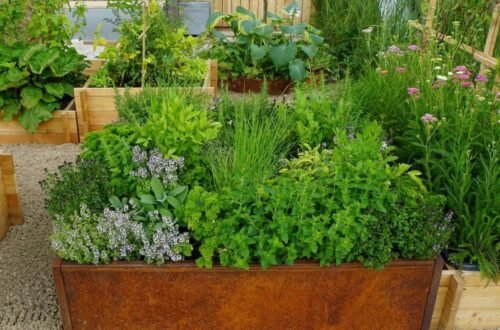
Herbs are plants that are of vegetable origin and their leaves, flowers or stems are utilized in the flavoring, smell or as a conventional form of treatment. Mostly they are planted in gardens, in containers or even on awindowsill because they do not occupy much space and are not that demanding. Herbs are valued because they contain aromatic oils giving herbs a unique taste and smell.
Humans utilize herbs as a food spice, in teas, and as home preparations since they are natural in improving food without using artificial food additives. Fresh herbs are also very colorful in taste and dried herbs are convenient and also last longer. The knowledge of what herbs are will make one understand the reason why it is important to preserve herbs appropriately.
Drying herbs makes the usefulness of herbs effective all year round. Herbs can also be used in various cooking and daily life when preserved well even after the end of harvesting.
What Is Herb Drying and Why Does It Matters?
The drying of herbs is a process of taking water out of fresh vegetable materials and still keeping the natural oils intact. The aroma, flavor and general usefulness will be attributed to these oils. Unless drying occurs at the correct rate and in a uniform manner, these oils may degrade.
Fresh herbs are rich in water and they are likely to spoil easily. Evaporating helps to prevent the growth of microbes and the natural process of decay. It is important to know how to dry Herbs properly so that preservation will make the herb last long without compromising its quality. It also means that drying will reduce the use of packaged herbs. Home-dried herbs are also more transparent and consistent as well as in control of freshness.
How to Dry Herbs (Complete Process Overview)?

Learning How to Dry Herbs starts by the realization that the drying process should proceed slowly. Quick drying destroys important oils whereas slow and sluggish drying helps to preserve them. All of these techniques are aimed at the balancing of airflow, temperature, and time.
Every drying technique has some similar steps. Herbs are picked, washed, dried, observed and put into stores. The key distinction is the application of the heat and airflow in the course of drying. The method will be determined by the climate, space, and size of harvest. The following ones are supported by different circumstances and requirements.
1. Air Drying Herbs (Traditional Hanging Method)
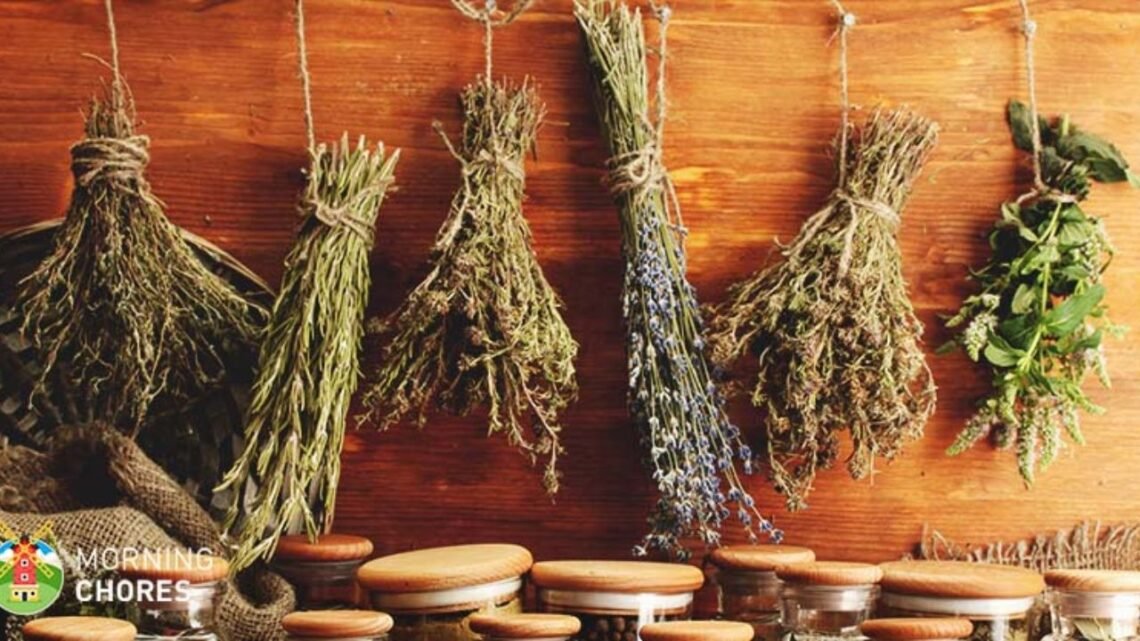
Air drying is not associated with heat and depends on natural air movement and this is why it is one of the most effective ways of herbs preservation. It is a simple procedure, which does not require much equipment and does not degrade aroma and flavor. It can also be used in arid and dark places.
The herbs are gathered into small bunches and tied in a loose manner round the stems. By hanging them in an inverted position, they will extract the moisture out of the leaves without employing artificial ways. The degradation of the essential oils will be prevented by storing herbs without direct light. It works especially well on herbs with stiff leaves or a woody stem, such as sage, rosemary, thyme, mint and oregano.
2. Oven Drying Herbs (Low-Heat Method)
Air drying is not always an option and when it is not possible, oven drying can be used. It has to be closely controlled as excessively high temperatures may harm flavor and aroma. Success depends upon low heat.
The herbs are to be placed on the baking taups in a single layer. The door of the oven has been left ajar to enable the escape of moisture. The occasional rotating of herbs assists in attaining evenness of drying. It is an appropriate approach when time schedules are short but requires attention during the process.
3. Microwave Drying Herbs (Small-Batch Method)
Very small quantities are best dried using microwaves. It punches out moisture in haste yet should be done with care in order to prevent overheating. This technique applies in cases where speed is of utmost importance than volume. Herbs are put in between paper towels and heated in brief periods. The intervals between the cycles allow the natural oils to cool before they are subjected to heat. This method is not the most efficient in the case of long-term preservation of delicate aromas, but it is useful in small batches.
4. Dehydrator Drying Herbs (Controlled Environment Method)
Dehydrators make the airflow consistent and low heat, thus, creating a perfect drying environment. The temperature and humidity can be controlled more effectively using this technique. The herbs are to be stacked on trays not overlapping. Essential oils are retained by low temperature settings. Frequent inspections provide a homogeneous process of drying between batches. This technique is particularly effective in wet climates or when there is a regular harvest.
Comparison of Herb Drying Methods
The selection of an appropriate method of drying is dependent on time, space and quality required. The less fast techniques tend to retain flavor more, whereas the faster techniques need more care. The following table clearly compares popular ways of drying.
| Method | Drying Speed | Flavor Retention | Best For |
| Air drying | Slow | Excellent | Home gardens |
| Dehydrator | Medium | Very good | Large batches |
| Oven drying | Fast | Moderate | Limited time |
| Microwave | Very fast | Variable | Small amounts |
Best Herbs to Choose for Drying
Herbs do not dry all easily. Some of them are by nature endowed with the sense of aroma and some are destroyed by ineptitude. The choice of relevant herbs improves the uniformity and results. Fragrant or stiff leaf herbs are best dried. Flower herbs are very high yielding when dry.
Common herbs that dry successfully include:
- Mint
- Lemon balm
- Sage
- Rosemary
- Thyme
- Oregano
- Chamomile
- Calendula
- Lavender
Selecting the right herbs simplifies learning How to Dry Herbs effectively.
Best Time to Harvest Herbs for Drying
The time of harvest influences the rate of drying and the intensity of flavor. The harvesting of herbs must be healthy and without damage. Morning harvest performs best when the moisture has evaporated on the surfaces. It is also not necessary to harvest immediately after rains or watering provided that there is too much moisture in the harvested area since it reduces drying. Pre-flower harvesting is a common practice where the leaf tends to have greater flavor whereas flowering herbs are not useless.
Proper Storage After Drying
Storage plays a key role in preserving dried herbs. Exposure to air, light, and moisture reduces potency over time. Airtight containers offer the best protection. Storage areas should remain cool and dark. Herbs should be kept whole until use. Proper storage completes the process of How to Dry Herbs successfully.
Best Containers for Storing Dried Herbs
Choosing the right container prevents flavor loss and moisture exposure. The table below highlights common storage options.
| Container Type | Protection Level | Recommended Use |
| Amber glass jars | High | Long-term storage |
| Clear glass jars | Medium | Dark cabinets |
| Plastic containers | Low | Short-term use |
Labeling containers with names and dates supports freshness tracking.
Conclusion: Why Learning How to Dry Herbs Is Worth It?
Learning How to Dry Herbs would make it independent and less wasteful. It makes seasonal harvests predictable and sustainable. Patience and keen attention is rewarded by the process.
Herbs last throughout the year with the right method and with proper storage still retaining their flavor and being useful. Moreover, Gardening, cooking, and mindful living are all interrelated in a practical manner that comes with drying. Also, How to Dry Herbs is an easy routine to learn and results in long term benefits in life once perfected.
Also Read About: How to Freeze Fresh Herbs for Long-Lasting Flavor?