Italian seasoning is the most prevalent spice mix where it is used in daily cooking activities, however many individuals use it without proper knowledge of what it comprises. Home cooks usually sprinkle it in their sauces, soups and roast foods just because it promises a taste of what they are used to in Italy. With time, interest increases, particularly in those who start to cook more intentionally or cultivate their own herbs. Learning What Herbs Are in Italian Seasoning will enable you to make decisions better in your kitchen. It enables you to modify flavors without apprehension, select your appropriate substitutes, and even blend one of your own should the need arise. It is a guide on herbs commonly used in Italian seasoning, their purpose, and how they combine to bring about balance.
What Is Italian Seasoning?
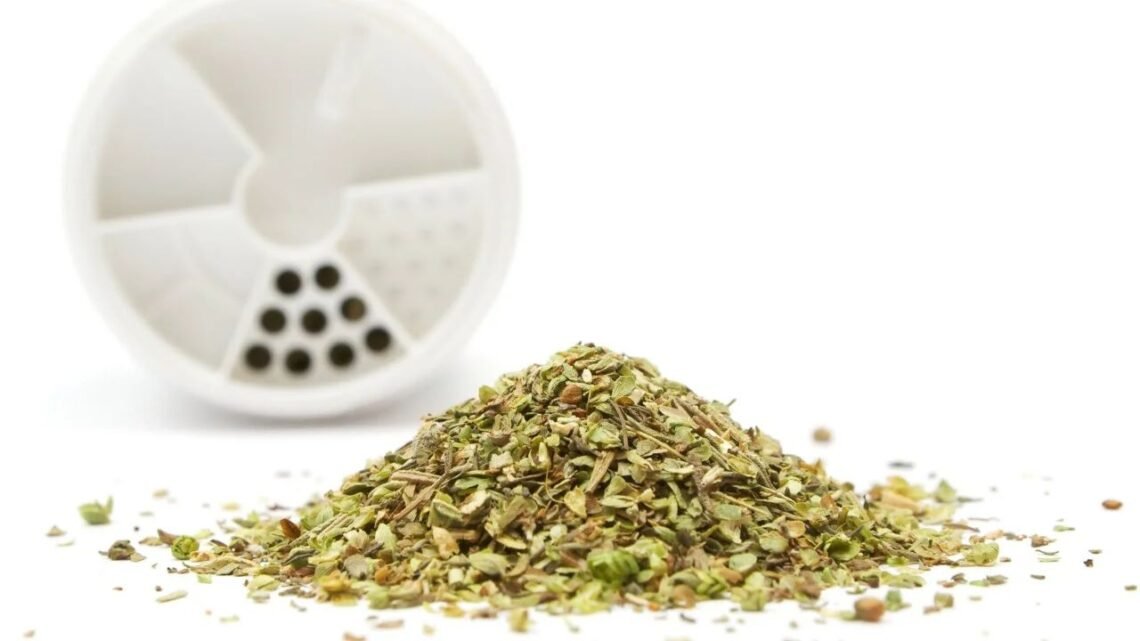
Italian seasoning is a dried blend of herbs that are made in a convenient manner and not necessarily a traditional mixture. It was designed mainly to be used by home kitchens who wanted a fast means of putting a Mediterranean taste in their kitchen without the need to measure out individual herbs. Italian seasoning mixes a number of dried herbs in a seasoning rather than using fresh herbs which are mostly added individually to the dish as it is prepared in Italy.
The mixture is usually served in pasta sauces, marinades, baked vegetables, soups, and meat. Although it is implied in the name that it has a rigid association with Italian cuisine, it does not have one traditional recipe. Rather, the mixture is an imitation of a general flavor composition that is constructed upon the customary herbs that have been used in Italian and Mediterranean food.
Understanding what herbs are in italian seasoning starts with recognizing that it is a modern, flexible product rather than a fixed cultural formula.
Why Italian Seasoning Does Not Have One Fixed Recipe?
Lack of a standard recipe is one of the reasons behind the confusion of the Italian seasoning. Various brands apply various herb combinations and proportions. Certain blends focus on potent herbs such as oregano and other blends contain a combination of a number of softer herbs.
This difference is possible since Italian seasoning has been developed as a convenience to be used in the market and at home. Blends are made based on shelf life, cost and versatility. The taste of two Italian jars of seasoning, therefore, may vary greatly, even though they are of the same name.
When individuals go in search of what herbs are in italian seasoning, they tend to be in search of the most acceptable ingredients and not a precise formula. The existence of that common ground is despite the fact that exact ratios vary.
What Herbs are in Italian Seasoning?
Combination of dried herbs that has been chosen based on grounds of balance and multiplication is called the Italian seasoning. The recipes vary slightly, but the majority of mixes have the same general makeup of herbs that deliver the Italian flavor and scent of the seasoning.
1. Oregano: The Dominant Herb in Italian Seasoning

Oregano is popularly considered as the main herb of the Italian seasoning. Italy seasoning has an undeniable aroma with its powerful, earthy taste as the main base of the mixture. Oregano is one of the best dried herbs that do not lose the flavor easily and therefore it is perfect in long spice blends.
Oregano is the herb found in the majority of commercial blends with a larger percentage of oregano than other herbs. It is due to this preeminence that Italian seasoning is so often bold and even bitter, when it is indulged too far. Oregano is also a complementary food to tomato based food so there is no wonder that the Italian seasoning is most frequently utilized when making pasta sauces and pizza-like flavor.
Any clear explanation of what herbs are in italian seasoning must begin with oregano, as it defines the blend more than any other ingredient.
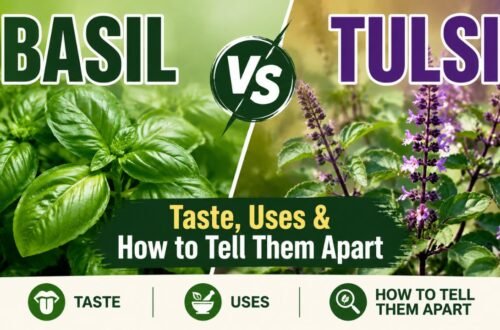
2. Basil and Its Role in Balancing Flavor

Basil contributes critically as a supporting ingredient to Italian seasoning to tame the strength of stronger herbs. In comparison to fresh basil which is bright and slightly sweet, the dried basil is a bit milder and weak in taste. Even when it is dried in the blend, Basil is made warm and recognizable.
The Italian seasoning of basil is also used to counter the piqueness of oregano and render the mixture more compatible with the usual cooking. It is particularly applicable to the use in the sauces and casseroles as well as baked cooking where one is going to spend a lot of time cooking, the dried herbs will be able to lose their dryness and release their smell.
When examining what herbs are in italian seasoning, basil consistently appears as one of the core ingredients because of its balancing effect.
3. Thyme as a Subtle Supporting Herb

Thyme is added to add a faint, earthy flavour that does not overwhelm the whole set-up of the Italian seasoning. It has a less aggressive taste than oregano and a less sweet taste than basil and is thus helpful in balancing out the blend.
Dried thyme is effective in the high variety of food which includes vegetables, meat, and soups. In Italian seasoning, it assists in the elimination of the taste difference between more intense and the less intense herbs. It might not be easily apparent at first but its absence might render a blend incomplete.
For anyone researching what herbs are in italian seasoning, thyme represents the quiet stabilizer that keeps the blend cohesive.
4. Marjoram and Its Relationship to Oregano

Marjoram is closely related to oregano though it is milder and sweeter tasting. In certain seasoning mixtures of Italy, marjoram is also combined with oregano to make it not too harsh. In others, it substitutes oregano to some extent to form a less intensive profile.
Marjoram is not as pungent, thus it does not attract attention when added to the food. This is the feature that makes it applicable in blends that are meant to be used in lighter recipes or longer periods of cooking where the other more aggressive herbs would otherwise override.
Although not every blend includes marjoram, it is frequently mentioned when discussing what herbs are in italian seasoning, especially in more balanced or premium mixes.
5. Rosemary and Why It Is Used Sparingly

Rosemary is very strong and its aroma is pine-like and can easily overwhelm other herbs when used in large quantities. That is why it is found in the Italian seasoning in minor portions or not present in some mixtures at all.
Rosemary is a depth and structure ingredient, particularly in mixtures that are supposed to be roasted or made with meaty ingredients. Its high strength is good with lamb, chicken and potatoes although it should be balanced well.
Discussions about what herbs are in italian seasoning often note rosemary’s presence as optional, reflecting its powerful flavor and specific use cases.
6. Parsley as a Mild and Balancing Ingredient

Parsley is the most commonly used herb in Italian cuisine and its presence in Italian seasoning is the result of such exposure. Dried parsley is a light flavor that will not take over other herbs but will level them.
Parsley also adds a fresh and attractive look without any major change to flavor in seasoning blends. It gives the mixture the lightness and attractiveness to be used in normal life.
Although parsley rarely stands out on its own, it plays an important role when understanding what herbs are in italian seasoning, particularly in blends designed for broad versatility.
7. Sage and Bay Leaf in Select Blends

Blends of some Italian seasoning do incorporate sage or bay leaf but they are sparingly used. The taste of Sage is very deep and earthy and can go well with meat dishes, whereas the bay leaf is used as a background that adds warmth when powdered.
They are more widely used as herbs in mixtures that are to be cooked slowly (stews or roast). This will be heavily dependent on the purpose of the seasoning and the local tastes.
When listing what herbs are in italian seasoning, sage and bay leaf should be considered optional additions rather than core ingredients.
Common Herbs Found in Italian Seasoning
Before reviewing the table below, it helps to understand that frequency indicates how often these herbs appear across different blends, not how much of each herb is used.
| Herb | Common Presence | Primary Flavor Contribution |
| Oregano | Very common | Earthy, bold foundation |
| Basil | Very common | Mild sweetness, balance |
| Thyme | Common | Warm, subtle support |
| Marjoram | Moderately common | Soft, smoothing effect |
| Rosemary | Sometimes included | Strong, pine-like depth |
| Parsley | Common | Mild freshness |
| Sage | Occasionally included | Earthy richness |
| Bay Leaf | Occasionally included | Background warmth |
How Italian Seasoning Differs from Traditional Italian Herb Use?
The classical Italian cuisine does not use blends of herbs. Rather, the cooks choose specific herbs according to the dish and implement them at different cooking phases. Preference is given to fresh herbs and simplicity is treasured above elaboration.
The Italian seasoning makes this a much easier method by mixing a bunch of herbs into a blend. Although it is quicker and more convenient when cooking, one loses a degree of precision. Knowing this difference is a way to deal with expectations and avoid abuse.
Learning what herbs are in Italian seasoning also clarifies why it should be viewed as a tool rather than a replacement for fresh herbs.
Italian Seasoning vs Individual Herbs
Before comparing the two approaches, it is important to recognize that both have value depending on cooking goals.
| Aspect | Italian Seasoning | Individual Herbs |
| Convenience | High | Moderate |
| Flavor Precision | Moderate | High |
| Authenticity | Limited | Strong |
| Flexibility | General purpose | Dish-specific |
When Italian Seasoning Is Most Useful?
Italian seasoning is best applied when time and simplicity are taken into account. It comes in handy especially when preparing fast meals, cooking in bulk, and easy to cook recipes. The mix does offer a dependable flavoring without the need to know much about herbs.
However, it should be used with restraint. Overuse can lead to overpowering flavors, especially due to oregano. Knowing what herbs are in italian seasoning helps you adjust quantities intelligently and avoid imbalance.
Conclusion: Understanding What Herbs Are in Italian Seasoning?
Understanding what herbs are in italian seasoning removes uncertainty from everyday cooking. Majority of the blends are based on oregano, basil, thyme, and marjoram, and rosemary, parsley, sage, or bay leaf are found in smaller quantities according to the blend.
Italian seasoning is there to make cooking easier, not to deprive people of the traditional way of doing it. As a form of convenience and consistency, it is convenient when applied wisely. Once it is comprehended, then one can modify, replace, or re-create it more easily.
Knowing what herbs are in Italian seasoning allows you to cook with confidence, balance flavors effectively, and make informed choices that suit your personal cooking style.
Also Read About: Top 10 Herbs for Anxiety: Natural Calm & Emotional Balance