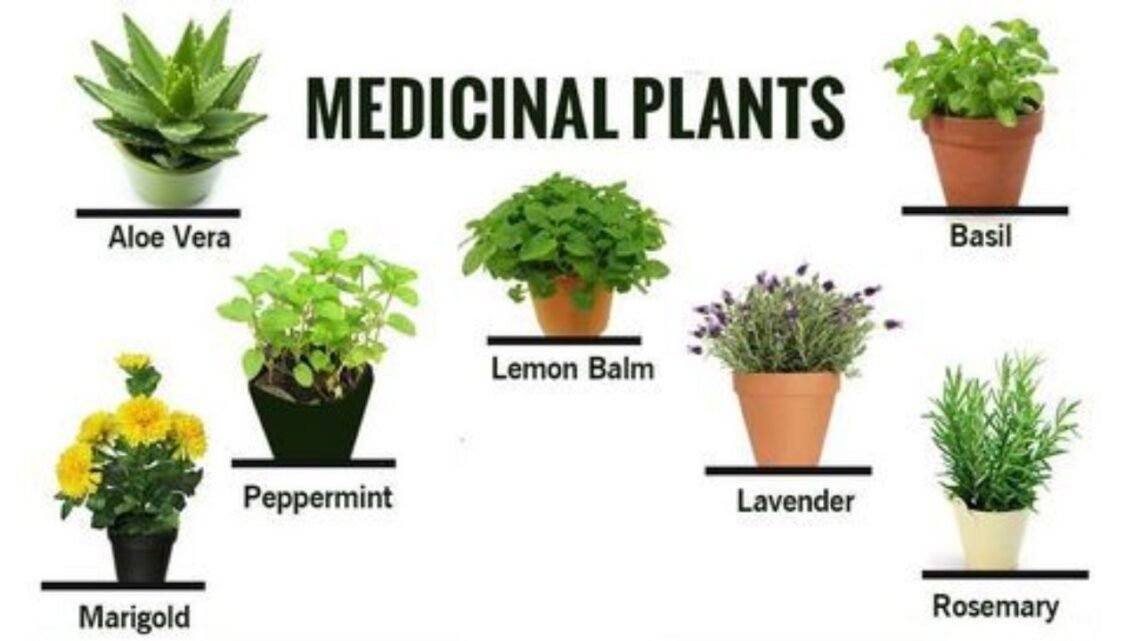
Kerala, often known as God’s Own Country, is not just famous for its backwaters, beaches, and lush greenery—it is also home to one of the richest herbal legacies in the world. Known as the cradle of Ayurveda, Kerala has long been a hub for natural healing. The state’s tropical climate, fertile soil, and traditional wisdom have made it the perfect place for cultivating medicinal plants in Kerala that are used in Ayurvedic treatments and home remedies.
For centuries, Kerala’s people have relied on nature’s pharmacy to maintain health, treat ailments, and restore inner balance. In this article, we will explore the world of medicinal plants in Kerala, their unique healing properties, and how they form an essential part of Ayurvedic wisdom that continues to thrive even today.
Why Kerala’s Medicinal Plants Are Unique
The distinguishing characteristic of medicinal plants in Kerala is the proper natural conditions of Kerala. The state’s tropical climate, high precipitation rates, and fertile soils create an appropriate environment for herbs to flourish. From the cool hills of Wayanad to the humid plains of Alappuzha, every place in Kerala nurtures various medicinal herbs with unique healing properties.
Kerala’s deep connection to medicinal plants is not limited to farming. Since ancient times, Ayurvedic practitioners known locally as vaidyas have grown and harvested these plants to produce natural remedies for various ailments. The knowledge of the use of herbs in Kerala has been passed down from generation to generation, combining ancient science with traditional local knowledge.
The uniqueness of Kerala is not simply the variety and abundance of herbs but how they are incorporated into daily use. From consuming turmeric milk in the morning for a cold to having tulsi tea when you have a cough and cold, these plants are part of our daily health routine and ritual to maintain health in a holistic manner.
Top 10 Medicinal Plants in Kerala and Their Ayurvedic Benefits
Below is a detailed look at Kerala’s most powerful medicinal herbs and their healing benefits in Ayurveda.
| Herb Name | Botanical Name | Main Benefits | Common Uses in Kerala |
| Ashwagandha | Withania somnifera | Reduces stress, boosts strength | Used in tonics for stamina and sleep |
| Brahmi | Bacopa monnieri | Improves memory and mental focus | Added to herbal ghee and tonics |
| Turmeric | Curcuma longa | Anti-inflammatory, antioxidant | Used in food, milk, and skincare |
| Neem | Azadirachta indica | Purifies blood, heals skin | Used in pastes and oils for acne |
| Amla | Emblica officinalis | Strengthens immunity, slows ageing | Consumed as tonics and hair oil ingredient |
| Shatavari | Asparagus racemosus | Balances hormones, supports fertility | Used in women’s health formulations |
| Tulsi | Ocimum sanctum | Fights infections, relieves stress | Used in teas and herbal remedies |
| Vetiver (Khus) | Vetiveria zizanioides | Cools body, detoxifies | Roots soaked in water for cooling drink |
| Ginger | Zingiber officinale | Aids digestion, reduces pain | Used in teas, food, and poultices |
| Aloe Vera (Kumari) | Aloe barbadensis miller | Soothes skin, supports digestion | Used in gels, juices, and creams |
1. Ashwagandha – Kerala’s Energy Booster

Ashwagandha, known as the “Indian Ginseng,” is one of Kerala’s most cherished medicinal plants. It helps the body adapt to stress, enhances stamina, and supports better sleep. In Ayurveda, Ashwagandha is used in tonics that strengthen nerves and muscles. Many Ayurvedic pharmacies in Kerala prepare Ashwagandha-based herbal formulations for vitality and mental calmness.
2. Brahmi – The Memory Enhancer

Brahmi is another very common herb in Kerala, used primarily for enhancing memory and mental clarity. It also reduces anxiety and stress; therefore, it is an excellent option for both students and professionals. Brahmi oil and Brahmi ghee are general home remedies in Kerala known for their ability to improve concentration and relaxation.
3. Turmeric — the Golden Healer

No discussion about medicinal plants in Kerala would be complete without turmeric, which is deeply rooted in the state’s culture. From kitchen spice to skincare ingredient, turmeric has countless uses. Its anti-inflammatory and antibacterial properties make it vital for both food and medicine. In Kerala, turmeric milk and turmeric paste are traditional remedies for improving immune health and achieving radiant skin.
4. Neem — the Natural Detoxifier

Often referred to as the ‘village pharmacy,’ neem has various health benefits. In Kerala, neem can be used for blood purification, skin cleansing, and infection control. Neem leaves are either crushed to form a paste or boiled in water for bathing, which alleviates rashes, acne, and skin conditions. Neem oil is also used to promote healthy hair and scalp care.
5. Amla – The Vitamin C Powerhouse

Amla, also known as Indian Gooseberry, is one of the most potent rejuvenating herbs in Kerala. It strengthens the immune system, improves digestion, and nourishes the skin and hair. Amla oil is widely used in Kerala to prevent hair fall and premature greying, while amla juice is taken daily for vitality and energy.
6. Shatavari – The Women’s Wellness Herb

Shatavari is known for its nourishing effects on the female reproductive system. In Kerala, it is used to support fertility, hormonal balance, and lactation. It is often included in Ayurvedic preparations for postpartum care. Shatavari also cools the digestive tract, making it useful for acidity and heat-related issues
7. Tulsi – The Sacred Healer

Tulsi, or holy basil, is not only a medicinal herb but also a sacred plant found in almost every Kerala household. It supports respiratory health, immunity, and mental clarity. People in Kerala often start their day by drinking tulsi water or tea to ward off infections and improve energy. Tulsi leaves mixed with honey are a trusted cure for colds and coughs.
8. Vetiver – The Cooling Herb

Vetiver, locally known as Raman Thazh, is highly valued in Kerala for its cooling and detoxifying effects. The roots are soaked in water to make a refreshing drink that cools the body and reduces internal heat. Vetiver oil is also used in Ayurvedic massages for its calming and grounding fragrance.
9. Ginger – The Digestive Fire

Kerala is one of India’s largest producers of ginger, and it plays a key role in both Ayurveda and traditional cuisine. Known for stimulating digestion and circulation, ginger helps relieve nausea, colds, and joint pain. In Ayurvedic therapies, ginger is used in herbal poultices and oils to reduce inflammation and muscle stiffness.
10. Aloe Vera – The Skin Soother

Aloe Vera is another vital medicinal plant in Kerala, loved for its healing and cooling properties. The fresh gel is used on burns, wounds, and acne to soothe and repair the skin. Internally, aloe vera juice supports digestion and detoxification. Many Ayurvedic beauty products from Kerala feature aloe as a main ingredient.
How Kerala Uses Medicinal Plants in Ayurvedic Remedies
Kerala’s healing traditions are not restricted to simple home remedies; they are indeed an art that has been cultivated over the centuries. Ayurvedic practitioners make herbal formulations (such as kashayams (herbal decoctions), lehyams (herbal jams), and tailas (medicated oils)) to treat a variety of ailments and health concerns.
As an example, Dashamoolarishtam is a well-known Ayurvedic formulation designed to restore vitality to those who may have felt weakened from illness. Medicated herbal oils (such as Ksheerabala Tailam) are used to treat conditions related to nerve pain, rejuvenation, and recuperation.
The herbs and herbals, used to detoxify the body or provide balance among the three forms of doshas (i.e., the body’s energies), are also used in what is perhaps Kerala’s most well-known Ayurvedic detoxifying treatment called Panchakarma.
Ayurvedic Knowledge Passed Through Generations
Kerala’s Ayurvedic knowledge does not just exist in clinics; it exists in homes. Families have passed down recipes for herbal remedies used for common health issues (e.g., coughs, colds, and stomach aches). Elders teach their children and grandchildren how to safely use the medications and remedies found in their homes and how to create them at home. This enables traditional wisdom to live on and be shared through generations.
This rich relationship between persons and plants has perpetuated Kerala’s knowledge of herbal remedies and serves as a model for sustainable health and wellness practices in modern society.
Conclusion
Medicinal plants in Kerala are more than just natural resources—they are part of the state’s cultural soul. They reflect centuries of respect for nature and holistic living. From ashwagandha that calms the mind to turmeric that heals the body, every plant tells a story of balance, resilience, and wisdom.
By understanding and embracing Kerala’s herbal traditions, we not only connect with nature but also discover timeless solutions for health and well-being. If you ever visit Kerala, make sure to explore its herbal gardens, Ayurvedic centers, and local pharmacies—you’ll be stepping into a living legacy of natural healing.
Kerala’s medicinal plants truly remind us that nature holds the key to a healthier, more balanced life.
Read Our More Blogs: Ksheerabala 101 Capsules Uses