Papaya is a tropical fruit known for its sweet orange flesh and refreshing taste. People enjoy it for its vitamins, minerals, and fiber. But the small black seeds inside are often ignored. Most people throw them away without realizing they carry powerful nutrients. These seeds are bitter but filled with health-supporting compounds. Papaya seeds are linked with improved digestion, parasite protection, organ support, and antioxidant defense. They are tiny, but they hold big wellness potential. In this article, we will explain their full benefits, possible side effects, and best ways to consume them.
What Are Papaya Seeds?
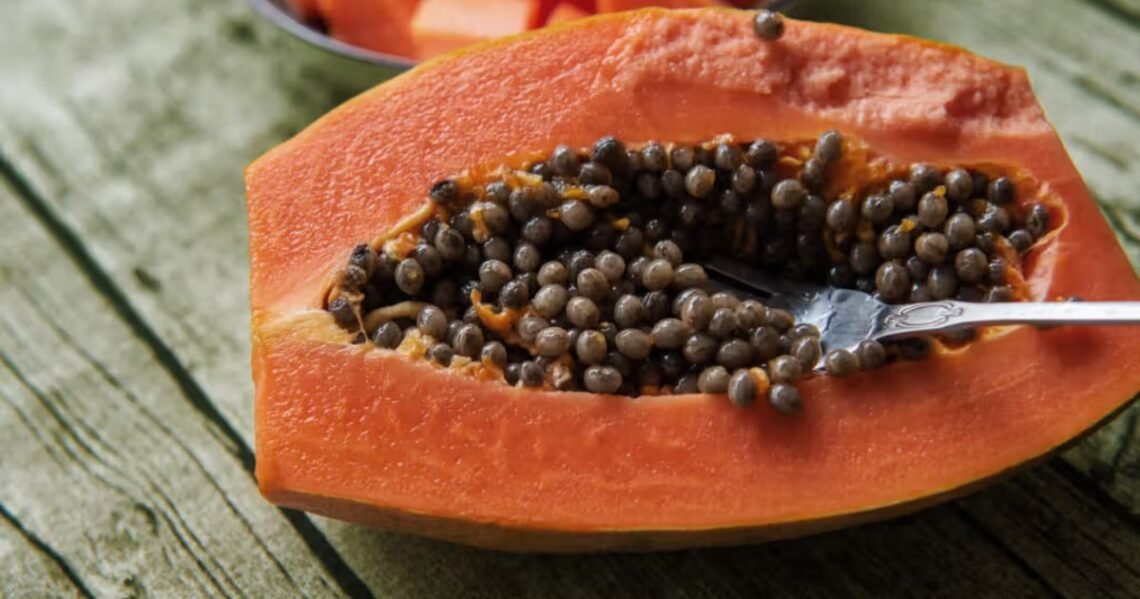
Papaya seeds are small, black, and bead-like structures found in the center of the fruit. They have a peppery, slightly bitter taste. Unlike the sweet fruit, these seeds are strong in flavor but also strong in nutrition.
They contain antioxidants, fiber, enzymes, and healthy fats. They also include compounds like benzyl isothiocyanate and carpain. These compounds are linked with protection against parasites and improved gut health. That makes seeds more than just a byproduct—they are a hidden superfood.
Are Papaya Seeds Edible?
Yes, they are edible and nutritious. Many people avoid them due to their bitter taste, but that does not make them unsafe. Eating seeds in moderation is safe and healthy. Experts recommend small portions, usually half a teaspoon daily. Overeating them may upset the stomach or reduce fertility in rare cases. The key is moderation. Use them wisely, and they can be part of your balanced diet.
What Are Papaya Seeds Good For?
Seeds are good for digestion, parasite control, detox support, and organ health. They also provide antioxidants that protect the body from cell damage.
- For digestion – seeds contain papain and fiber that improve gut health and ease bloating.
- For liver and kidney health – Their compounds help cleanse toxins and reduce inflammation in organs.
- For parasite protection – Seeds have natural compounds like carpain that fight intestinal worms.
- For overall wellness – Antioxidants in seeds strengthen immunity and slow aging.
Many cultures have used seeds in traditional medicine for centuries. Modern research also supports their role in reducing inflammation and improving overall gut balance. Adding just a teaspoon a day can make a big difference to long-term health.
Nutritional Profile of Papaya Seeds

Seeds are rich in antioxidants, fiber, and essential fatty acids. Their nutrient mix supports the immune system and improves digestion. They are powerful even in small amounts.
| Nutrient/Compound | Role in Health |
| Polyphenols & Flavonoids | Protect against free radicals |
| Papain & Chymopapain | Aid protein digestion |
| Monounsaturated Fats | Improve cholesterol levels |
| Fiber | Supports bowel health |
| Benzyl Isothiocyanate | Shown to fight parasites |
This nutrient profile explains why papaya seed benefits are gaining attention.
Benefits of Papaya Seeds
Seeds carry powerful nutrients and compounds that can support different aspects of health. Below are the key benefits:
1. Help Fight Infections
Papaya seeds may act as natural defenders against certain harmful organisms. Studies suggest that their extracts can stop the growth of fungi, including the strain that causes yeast infections. In one small trial, a mixture of dried papaya seeds with honey proved more effective than a placebo in eliminating intestinal parasites. Although encouraging, these results are mostly from small-scale or lab studies, so more human research is still needed.
2. Support Kidney Function
Kidneys filter toxins and maintain fluid balance in the body. Animal research shows that papaya seed extract can protect kidneys from toxin-induced damage. This effect is largely due to the antioxidants present in the seeds, which shield kidney cells from oxidative stress. While the evidence is strong in animals, there is limited human research, so the protective benefits remain unconfirmed in people.
3. May Lower Cancer Risk
Papaya seeds contain anti-inflammatory and antioxidant compounds that could reduce the risk of cancer. Laboratory studies have shown that extracts from the seeds can slow down the growth of cancer cells, particularly in prostate cancer. They also appear to reduce inflammation, which plays a role in cancer development. While these findings are promising, clinical studies in humans are required to validate this potential.
3. Improve Digestive Health
Fiber is one of the main nutrients in papaya seeds, and it plays an important role in digestion. Fiber adds bulk to stools, making bowel movements smoother and preventing constipation. Reviews of dietary studies also show that higher fiber intake can reduce the risk of conditions such as inflammatory bowel disease, hemorrhoids, and intestinal ulcers. Including papaya seeds in small amounts can therefore help maintain a healthy digestive system.
Concerns About Papaya Seeds
While papaya seeds are beneficial in many ways, some risks are also linked with their use. Below are the major concerns:
1. May Affect Fertility
High doses of papaya seed extract have shown an impact on fertility in animal studies. In monkeys, consuming concentrated extracts caused azoospermia, a condition in which no sperm is present in semen. Similarly, studies in rats revealed reduced sperm count and decreased sperm motility. The positive note is that these effects reversed once the treatment was stopped. Since such high doses are rarely consumed by humans, the risk may be lower in practice, but caution is still important until more human studies confirm safety.
2. Risk of Overconsumption
Seeds contain a compound called benzyl isothiocyanate, also found in cruciferous vegetables like broccoli. In small amounts, this compound may protect against cancer. However, when consumed in very high doses, it has been linked to cell and DNA damage in laboratory experiments. Animal studies also found mixed results, with some showing toxic effects on healthy cells. This means moderation is essential — eating papaya seeds occasionally and in small quantities is safe, but overuse could pose risks.
How to Eat Papaya Seeds?
Without struggling with their strong taste. There are several simple ways to add them to your meals.
- Eat them raw directly from the fruit.
- Dry and crush them to use as pepper.
- Blend them in smoothies to mask bitterness.
- Sprinkle them on salads or avocado toast.
- Add dried seeds to trail mix.
Tip: Air-dry them first. This improves crunch and flavor.
Papaya Seeds vs. Papaya Flesh
Both parts of papaya are valuable. The fruit is sweet and filled with vitamins. The seeds are bitter but packed with protective compounds. Together, they form a complete health package.
| Part of Papaya | Key Benefits |
| Flesh | Vitamin A, Vitamin C, potassium, fiber |
| Seeds | Antioxidants, digestion enzymes, parasite control, organ support |
Eating both parts provides a wide range of benefits.
Myths Around Papaya Seeds
There are many myths about seeds. Clearing them helps people see their true value.
| Myth | Fact |
| They are poisonous | They are safe in small amounts |
| It have no taste | They are bitter and peppery |
| provide no health benefits | They are rich in antioxidants and enzymes |
These facts show why seeds deserve a place in the diet.
Ways to Add Papaya Seeds to Meals

Adding seeds to meals is simple. They can be blended, crushed, or eaten raw. Here are some easy methods:
1. Mix ground seeds into salad dressing
Crushed seeds blend well with olive oil, lemon juice, or vinegar. They add a peppery twist to salads while boosting nutrition. This makes dressings both tasty and healthy.
2. Blend dried seeds with honey
When dried seeds are mixed with honey, the sweetness balances their bitterness. This creates a natural tonic that is soothing and rich in antioxidants.
3. Use them in soups or stews as spice
Ground seeds can replace black pepper in soups and stews. They bring a spicy flavor while adding digestive enzymes and antioxidants to your meals.
4. Add to smoothies for extra nutrition
A small spoon of seeds can be blended into fruit smoothies. Their flavor is masked by fruits, making it an easy way to enjoy their health benefits.
5. Sprinkle over roasted vegetables
Dried seeds can be sprinkled over roasted or grilled vegetables. This adds crunch, spice, and extra nutrition without changing the dish too much.
These small steps can boost nutrition without major changes to diet.
Scientific Evidence on Papaya Seeds
Science supports many traditional claims about seeds. Research shows they improve organ health and fight parasites. Lab studies also suggest anticancer potential.
| Study Type | Result |
| Human Study | Fewer parasites in children who ate seeds |
| Animal Study | Reduced liver inflammation and kidney protection |
| Lab Study | Antioxidant and anticancer properties observed |
More large-scale human studies are needed. But early results show seeds are highly promising.
Should You Add Papaya Seeds to Diet?
Yes, adding seeds in moderation can be a healthy choice. They support digestion, reduce inflammation, and protect organs. They also fight parasites and act as strong antioxidants. The only caution is not to eat too many. Stick to one teaspoon daily. Use them as a spice, smoothie booster, or salad topper.
Conclusion: Why Papaya Seeds Matter?
Papaya is already considered a superfruit, but its seeds are often ignored. The truth is that papaya seeds are packed with nutrients and protective compounds. They may support digestion, fight parasites, reduce inflammation, and protect vital organs.
The common question, can you eat seeds, has a simple answer: yes, in moderation. And you can eat seeds in many simple ways—raw, dried, crushed, or blended.
By keeping seeds in your diet, you add one of the easiest natural health boosters. They are small, bitter, and often overlooked, but their benefits are huge. Next time you cut open a papaya, remember—the seeds are as valuable as the fruit itself.
FAQs
Q1. Can you eat seeds daily?
Yes, you can eat papaya seeds daily but in moderation. Experts suggest only half to one teaspoon per day. Eating too many can cause digestive discomfort or fertility issues in rare cases.
Q2. What are the main papaya seed benefits?
Papaya seeds support digestion, fight parasites, reduce inflammation, and protect the liver and kidneys. They are also rich in antioxidants that help fight free radicals.
Q3. How to eat seeds without bitterness?
The seeds can be dried and crushed to use as a pepper substitute. You can also blend them into smoothies, mix them with honey, or sprinkle them on salads to mask the strong taste.
Q4. Are seeds safe for everyone?
They are safe in small amounts for most people. However, pregnant women and people with digestive sensitivity should consult a doctor before regular use.
Q5. Do seeds have side effects?
Yes, in high amounts they may upset the stomach or reduce sperm count in men (shown in animal studies). That is why moderation is key when adding papaya seeds to your diet.
Read Our More Blogs: Amla Juice Benefits: Natural Detox & Daily Immunity