Fasting has become one of the most popular health trends in recent years. From intermittent fasting to religious fasting, millions of people around the world use fasting as a way to lose weight, improve metabolism, and cleanse the body. For many, fasting improves focus, energy, and digestion. However, not everyone experiences positive results. Some people face unexpected side effects like diarrhea after fasting, bloating, or nausea when they eat again.
This problem can be uncomfortable and worrying, especially for those new to fasting. You may expect lightness and clarity, but instead, you face weakness and digestive distress. Diarrhea after fasting is not uncommon, and understanding why it happens is the first step toward preventing it.
Your digestive system is delicate and adapts to how often you eat. When you suddenly stop and restart food intake, it can respond in surprising ways. In this detailed guide, we will explore why diarrhea after fasting occurs, what it means for your body, how to prevent it, and what you can do to recover quickly if it happens.
What Is Diarrhea?
Diarrhea is a common digestive condition where you experience loose or watery stools more frequently than normal. It happens when the intestines move food too quickly, preventing water and nutrients from being absorbed properly. Most cases are short-term and last only a few days, but severe or repeated episodes can lead to dehydration and nutrient loss.
There are many causes of diarrhea – bacterial infections, food allergies, medication reactions, and digestive disorders. But in the case of fasting, diarrhea is often linked to how your body reacts when food is reintroduced after a period of rest.
When the digestive system rests for hours or even days, it produces fewer enzymes and less bile. Once you eat again, your body suddenly tries to process food, which may lead to a quick and loose bowel movement. This condition is called diarrhea after fasting.
What Is Diarrhea After Fasting?
Diarrhea after fasting is the occurrence of loose or watery stools after you end a fast and start eating again. During fasting, the stomach, intestines, and gut bacteria enter a resting phase. When you reintroduce food, especially large meals, your digestive system can become overwhelmed.
The sudden activity causes the intestines to move faster than usual, which leads to diarrhea. This reaction is particularly common among people practicing intermittent fasting or long-duration fasts. The problem is usually short-term, but it can feel uncomfortable and disrupt your fasting goals.
Your first post-fasting meal plays a major role in this condition. Eating large, fatty, or spicy foods immediately after fasting can irritate your gut. Drinking coffee or taking supplements like magnesium or MCT oil too soon can also cause the same issue.
Why Does Diarrhea After Fasting Happen?
When you fast, your body slows down many of its natural processes, including digestion. The stomach produces less acid, bile flow reduces, and the intestines rest. Once you eat again, the sudden return of activity can cause a rapid response in the digestive tract.
Your gut bacteria also change during fasting. Some types of bacteria thrive on regular feeding, so when you stop eating, their balance shifts. When food returns, this imbalance can cause bloating or diarrhea.
Additionally, dehydration during fasting worsens the problem. The body may lose fluids faster than usual when digestion restarts. Combined with poor food choices, this leads to diarrhea after fasting.
Common Causes of Diarrhea After Fasting
| Cause | Description | How to Prevent? |
| Eating large meals | Overloads the stomach after fasting | Eat small, gentle meals first |
| Fatty or fried food | Stimulates bile and irritates gut | Eat boiled or steamed meals |
| Coffee or energy drinks | Increases stomach acid | Avoid caffeine early |
| Supplements (MCT, magnesium) | Irritates the stomach lining | Take after a meal |
| Dehydration | Weakens digestion and causes cramps | Drink water before and after meals |
Even small changes in how you break your fast can prevent digestive distress.
How Food Choices Affect Digestion?
The type of food you eat right after fasting determines how your body reacts. The digestive system needs time to adjust after a period of rest. Soft, warm, and cooked foods help restart the process smoothly.
Heavy foods, on the other hand, can trigger diarrhea after fasting. Fried, raw, or dairy-based foods are difficult to digest after fasting and should be avoided in your first meal. Similarly, eating too quickly or drinking cold beverages can also upset your stomach.
Recommended and Unsafe Foods After Fasting
| Safe Foods | Foods to Avoid |
| Vegetable soups | Fried snacks |
| Oatmeal or porridge | Cheese-heavy dishes |
| Cooked rice | Spicy curries |
| Boiled eggs | Raw salads |
| Herbal tea | Coffee or soda |
Eating mindfully helps your stomach adjust. Start with one small serving, wait 20–30 minutes, and then decide if you need more food.
The Role of Gut Bacteria in Digestion

The gut microbiome plays an essential role in digestion. These microorganisms help break down food, produce vitamins, and maintain gut health. During fasting, when food intake stops, certain bacteria decrease in number.
Once you eat again, your gut bacteria start to rebalance. However, this sudden change can lead to gas, bloating, or diarrhea after fasting. Restoring the right balance takes time.
Probiotics can help rebuild a healthy gut microbiome. Foods like yogurt, kefir, and fermented vegetables are excellent options. They reintroduce beneficial bacteria and make digestion smoother.
Dehydration and Its Connection to Diarrhea
Dehydration is another common factor behind diarrhea after fasting. During fasting, many people drink less water. When digestion restarts, diarrhea can quickly deplete fluids and electrolytes.
This leads to tiredness, dizziness, dry lips, and headaches. Severe dehydration can be dangerous and should be treated promptly. Rehydration drinks like ORS or coconut water are effective in restoring balance.
Symptoms of Dehydration and Solutions
| Symptom | What Does It Means? | What to Do? |
| Dark urine | Low hydration level | Drink water frequently |
| Dry lips | Fluid loss | Add oral rehydration salts |
| Fatigue | Electrolyte imbalance | Sip coconut water |
| Headache | Reduced body fluids | Rest and hydrate slowly |
| Dizziness | Drop in pressure | Avoid standing suddenly |
Hydration is not just about water; electrolytes are equally important. Sodium, potassium, and magnesium are vital for proper recovery.
How Supplements Can Cause Diarrhea?
Certain supplements are known to irritate the stomach when taken immediately after fasting. MCT oil, magnesium, and high doses of vitamin C are common examples.
These supplements can stimulate the intestines and lead to watery stools. Taking them on an empty stomach is one of the biggest reasons for diarrhea after fasting. Always start with small doses and take them after your first light meal.
Coffee and Fasting: A Risky Combination
Many people enjoy coffee while fasting because it suppresses hunger. But coffee on an empty stomach can irritate the gut lining. It increases acid production, causes cramps, and accelerates bowel movement.
Drinking coffee immediately after fasting is one of the fastest ways to trigger diarrhea after fasting. To avoid this, wait at least 30–45 minutes after your first meal before drinking coffee or tea. Herbal teas like chamomile or peppermint are better options for digestion.
Can Exercise Make It Worse?
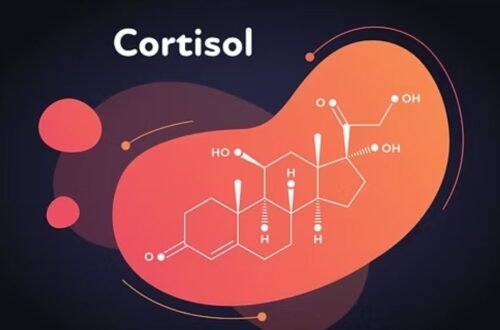
Fasting workouts have become a trend for fat loss. However, exercising intensely without proper hydration can stress your body. It raises cortisol levels and may cause nausea or diarrhea.
If you plan to exercise while fasting, choose low-intensity workouts such as walking, yoga, or stretching. Avoid heavy lifting or running until you’ve rehydrated and eaten something light.
When Food Poisoning Is the Real Cause?
Not all cases of diarrhea after fasting are caused by digestive sensitivity. Sometimes, food poisoning is the actual cause. Eating contaminated or improperly stored food can lead to infection.
Symptoms like fever, abdominal pain, or vomiting require medical care. Always ensure that the food you eat after fasting is fresh, cooked properly, and stored safely.
Quick Remedies for Diarrhea After Fasting
If you already have diarrhea after fasting, recovery starts with gentle care. Rest, hydration, and light meals help the body return to balance.
Here’s what you can do:
- Drink an oral rehydration solution to replace lost fluids.
- Eat small portions of rice, banana, or toast.
- Avoid caffeine, alcohol, and dairy until digestion stabilizes.
- Add probiotic foods like yogurt or fermented drinks.
- Rest well and avoid strenuous activity.
Most people recover within 24 to 48 hours if they follow these steps carefully.
How Long Does Diarrhea Last After Fasting?

In most cases, diarrhea after fasting lasts for one to two days. If it continues beyond that, it may be due to food intolerance or infection. Long-term diarrhea can cause dehydration and nutrient loss.
Keeping a record of what you eat after fasting can help identify triggers. If symptoms repeat after every fast, it’s best to consult a doctor or dietitian.
How to Break a Fast Safely?
Breaking a fast safely is the best way to prevent diarrhea after fasting. The goal is to reintroduce food slowly and gently.
Follow this plan for best results:
- Start with warm water.
- Wait 10–15 minutes.
- Drink soup or eat a small piece of fruit.
- After half an hour, have a light meal of rice or porridge.
- Avoid caffeine, sugar, and heavy spices for a few hours.
This gradual process allows your digestive system to adjust without stress.
Prevention Tips for the Future
To avoid diarrhea after fasting in the future, follow these prevention tips:
- Stay hydrated during fasting hours.
- Avoid taking supplements before food.
- Break your fast with soft, warm meals.
- Eat slowly and chew food thoroughly.
- Avoid coffee, fried foods, and alcohol at first.
Making these changes will help you enjoy fasting benefits without digestive discomfort.
Final Thoughts on Diarrhea After Fasting
Fasting can transform your health when done correctly, but it can also challenge your digestion if done carelessly. Diarrhea after fasting is not a sign of failure; it’s a message from your body that you need to reintroduce food more carefully.
Eat light meals, drink enough fluids, and give your gut time to adjust. Avoid caffeine and supplements until your stomach feels stable. If symptoms last more than a few days, consult a healthcare professional to rule out infection or imbalance.
With mindful preparation and gentle eating, you can make fasting a safe and beneficial part of your lifestyle – without the discomfort of diarrhea.
Read Our More Blogs: How to Make Black Garlic at Home: Easy Black Garlic Recipes