Holistic health in 2026 goes beyond nutrition and herbal supplements to include the physical ability to intervene during a crisis. By combining natural wellness practices with certified first aid training, Etobicoke families are creating a safer, more resilient community that is prepared for everything from minor burns to life-threatening emergencies.
We spend a lot of time thinking about what we put into our bodies. We shop for organic greens, stock our cabinets with elderberry syrup, and practice mindfulness to keep our stress levels down. It feels good to take control of our health. However, a truly holistic lifestyle means being ready for the unexpected moments that a tea or a tincture just can’t fix. This is why many locals are visiting Coast2Coast First Aid Etobicoke to round out their wellness journey with practical, hands-on skills.
What Does “Holistic Safety” Actually Mean?
When we talk about holistic health, we usually mean looking at the whole picture. We look at sleep, diet, and mental clarity. But there is a physical side to that picture that we sometimes overlook: the ability to act when someone is in pain or danger.
Imagine you are at a family dinner in The Kingsway, and someone begins to choke. Your knowledge of anti-inflammatory herbs won’t help in that split second. True wellness includes the confidence to step in and perform the Heimlich maneuver. It is the ultimate form of self-care and community care combined into one.
Why is First Aid the Missing Link in Natural Health?
Many of us prefer natural remedies for common ailments. We use lavender for sleep or ginger for an upset stomach. But nature also presents us with serious challenges, like severe allergic reactions or sudden stings.
Knowing first aid doesn’t mean you are abandoning your natural roots. It means you have a bigger “toolbox.” You know when a cold compress and some rest are enough, and you also know exactly when it is time to call for professional help or start CPR. It’s about balance and knowing the limits of home care.
Can We Prepare for Life’s “What-If” Moments?
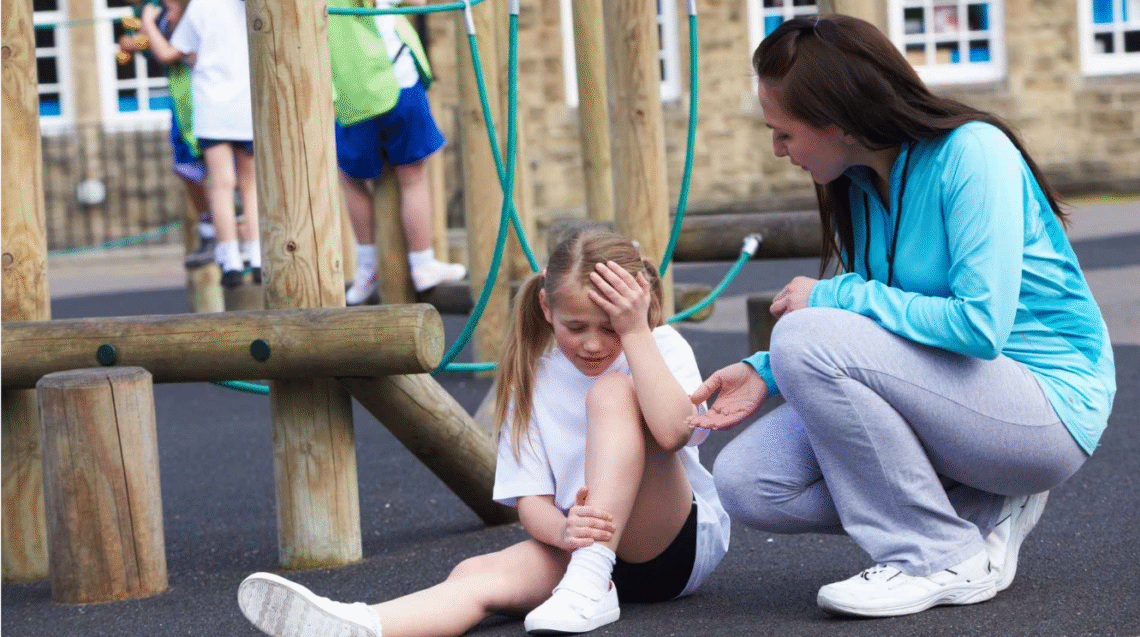
Living near the lake or spending time in Etobicoke’s beautiful parks like Humber Bay is wonderful for the soul. But outdoor life comes with risks. A child might fall and suffer a deep cut, or an elderly family member might experience heat exhaustion on a humid July afternoon.
Instead of panicking, imagine having the calm focus that comes from training. You learn how to stop bleeding, how to recognize the early signs of a stroke, and how to keep someone stable until an ambulance arrives. That peace of mind is a massive boost to your mental health. Stress comes from feeling helpless; power comes from being prepared.
Is Blended Learning Right for You?
We are all busy. Between work, family, and maintaining a healthy lifestyle, finding time for a long course can feel impossible. That is why the “blended” model has become so popular this year.
You can do the reading and watch the videos on your own time—maybe while sipping some herbal tea on your porch. Once the theory is done, you just attend a short in-person session to practice on the manikins. It’s efficient and ensures you actually know how the chest compressions feel, which is something a book can never teach you.
How Does Training Build Community?
When you take a class, you aren’t just learning for yourself. You are learning for your neighbors in Mimico, your coworkers, and the strangers you pass on the street. It’s a way of saying, “I care enough about my community to be a person who can help.”
In 2026, we are seeing more small groups and local wellness clubs sign up for training together. It turns a serious subject into a bonding experience. Plus, you’ll find that the instructors are human beings who understand your concerns. They make the learning process feel supportive rather than scary.
If you are looking for first aid training near the Sherway Gardens area, near the intersection of Evans and Kipling, or other areas close to our facility, then you may reach out to Coast2Coast First Aid/CPR – Etobicoke in that area. For more info and articles like this visit: https://www.c2cfirstaidaquatics.com/
FAQs
- Does first aid training cover allergic reactions? Yes. You will learn how to recognize anaphylaxis and how to properly use an epinephrine auto-injector (like an EpiPen). This is a crucial skill for families with food or insect allergies.
- How long is the in-class portion of a blended course? Typically, the in-class skills session takes about half a day. Since you’ve already finished the theory online, the time in the classroom is focused entirely on hands-on practice and testing.
- Is CPR the same for babies and adults? No, there are significant differences in the technique and the amount of pressure used. A good course will teach you the specific steps for infants, children, and adults so you can help anyone.
- What if I am not very strong? Can I still do CPR? Absolutely. CPR is more about technique and body positioning than raw strength. Modern training teaches you how to use your body weight effectively so that anyone can perform life-saving compressions.
- How often should I refresh my skills? Most certifications last for two years. However, many people choose to do a quick review or a “refresher” every year just to make sure they haven’t forgotten the fine details of the procedures.